
ENGINEERING CMU Represents CMU in Strategic Partnership with China University of Petroleum, Beijing to Expand Thailand–China Academic Cooperation
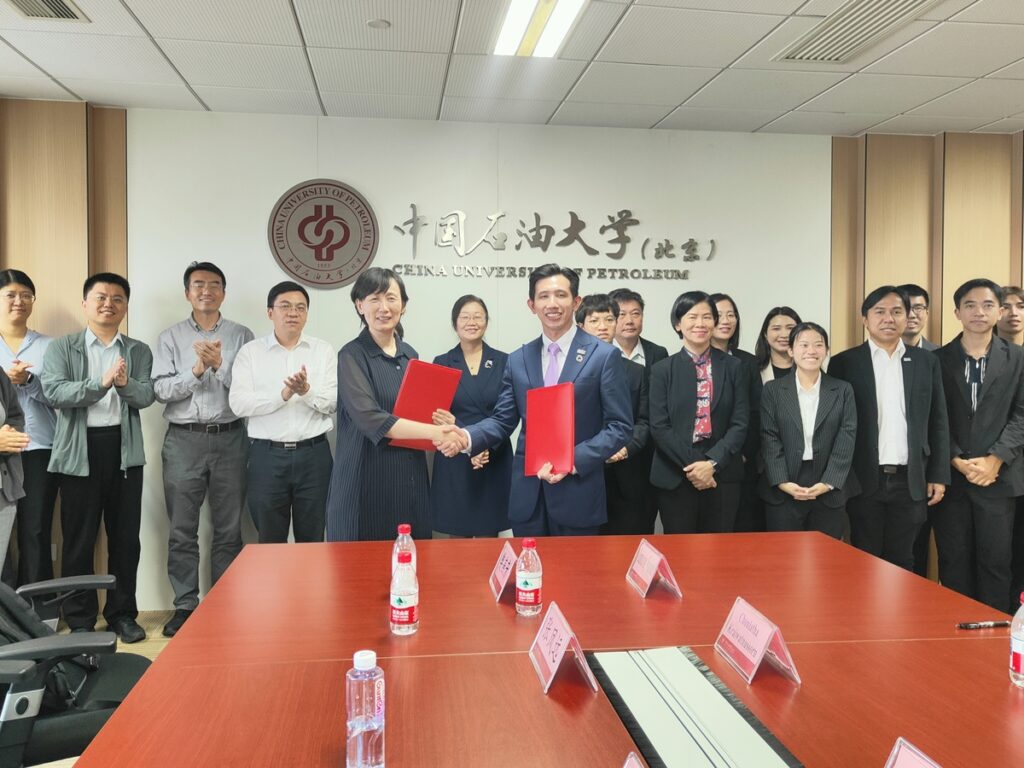
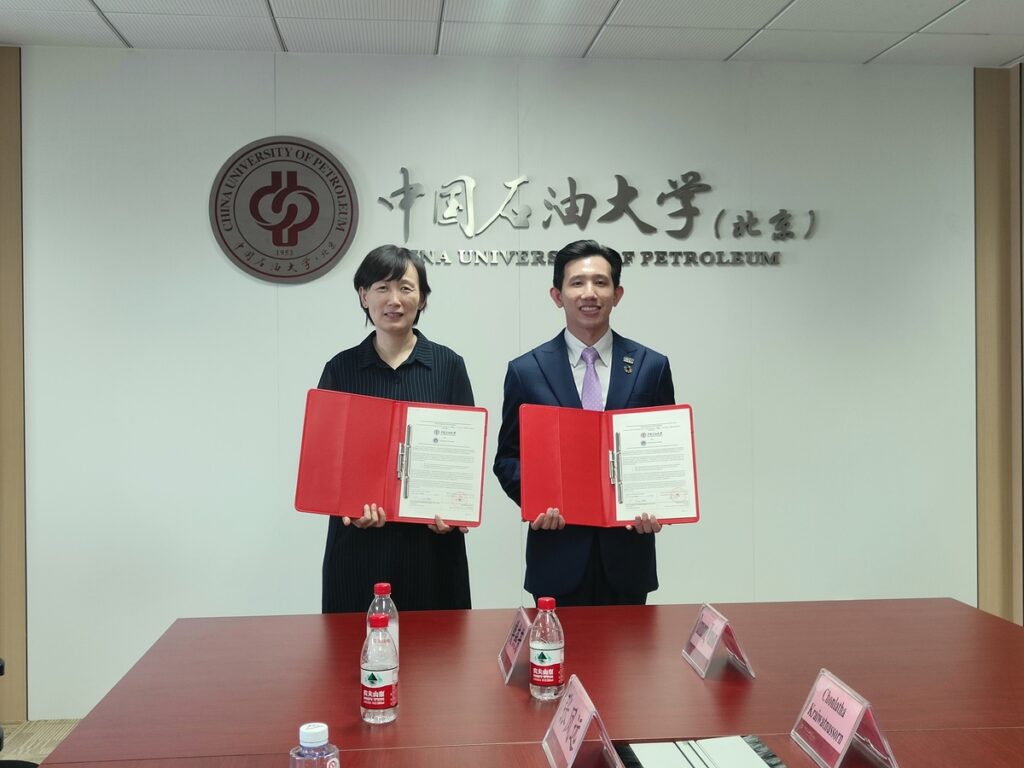
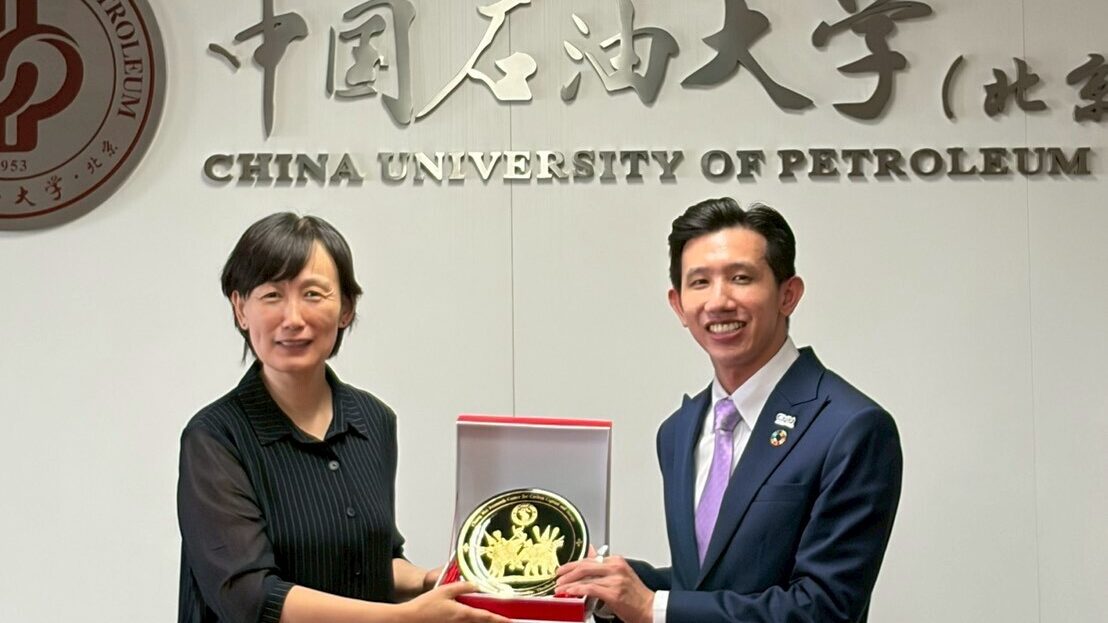
Chiang Mai University and China University of Petroleum, Beijing (CUP), People’s Republic of China, have signed a Memorandum of Understanding (MOU) to advance cooperation in education, research, and the exchange of students and faculty members between the two institutions. The MOU was signed by Professor Pongruk Sribanditmongkol, M.D., Ph.D., President of Chiang Mai University, and Professor Dr. Jin Yan, President of China University of Petroleum, Beijing, as institutional representatives. The agreement entered into force on 27 May 2026 and will remain in effect for an initial period of five years, covering three principal areas of cooperation: (1) joint educational and research activities, including Dual Degree Programs; (2) the exchange of faculty members for research, lectures, and academic discussions; and (3) the exchange of students for study and research purposes.
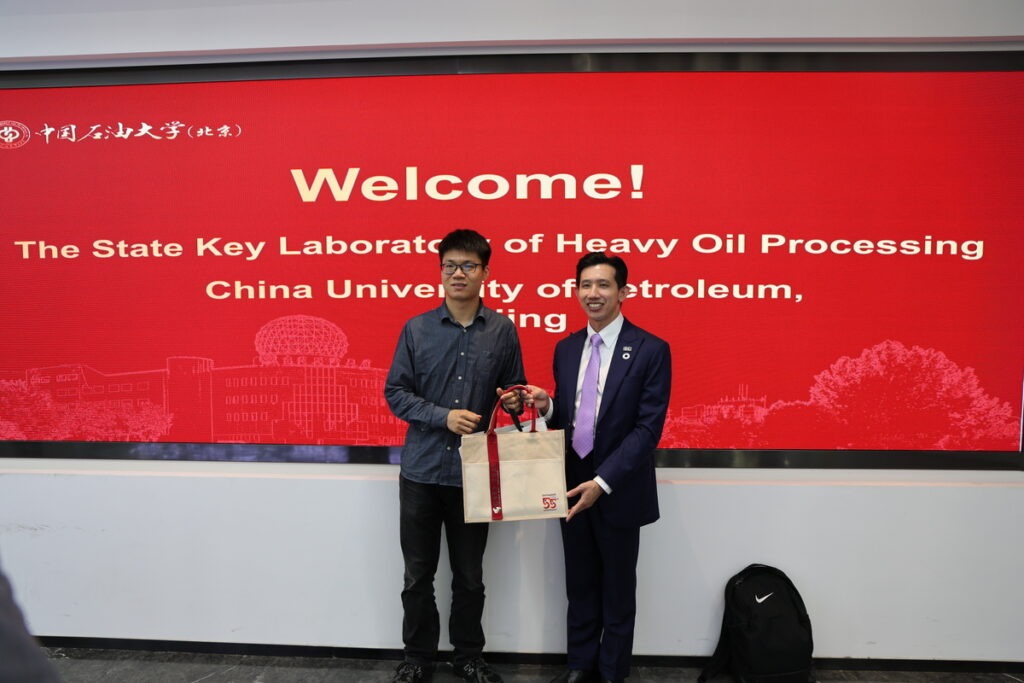
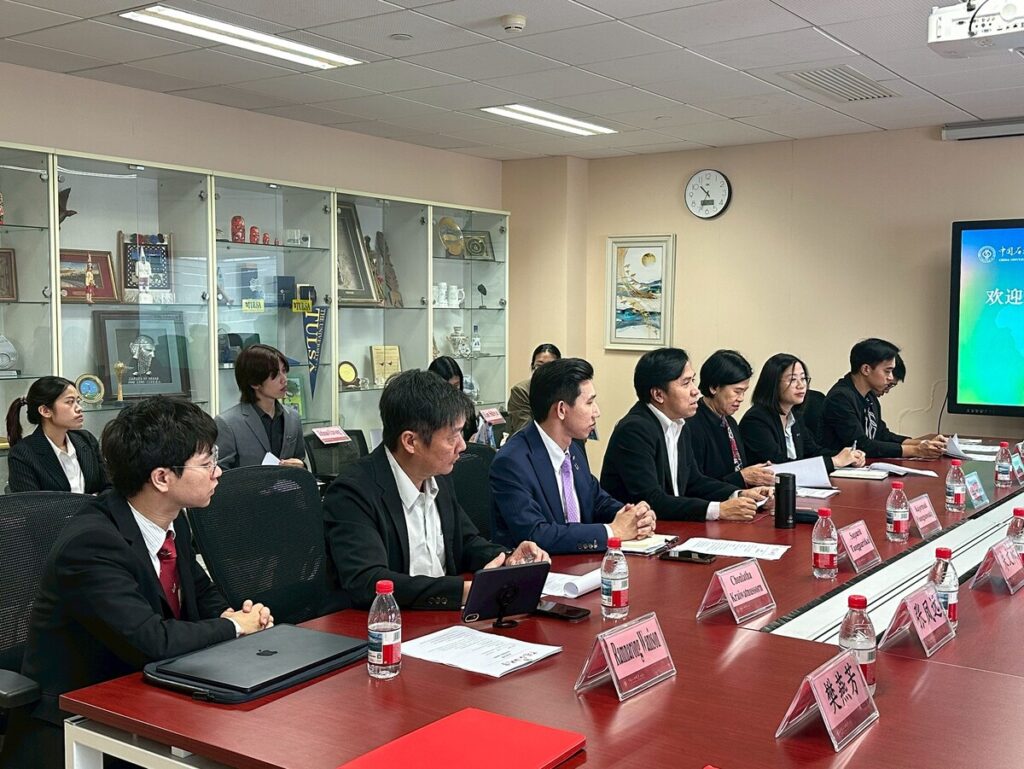
The two institutions held an MOU exchange ceremony between representatives of the two universities at China University of Petroleum, Beijing, on 27 May 2026, marking the commencement of joint activities under this cooperation framework. Chiang Mai University was represented by Associate Professor Dr. Suparit Tangparitkul, lecturer at the Department of Mining and Petroleum Engineering, Faculty of Engineering, and Director of the Chiang Mai Research Center for Carbon Capture and Storage (Chiang Mai CCS), who also serves as the primary contact under the MOU on behalf of the University, together with Assistant Professor Dr. Ramnarong Wanison, lecturer at the Department of Mechanical Engineering, Faculty of Engineering, and other faculty researchers from Chiang Mai CCS.
This MOU is grounded in a sustained research relationship between researchers at Chiang Mai University and CUP, particularly in the field of Enhanced Oil Recovery (EOR), in which the two sides have previously received joint research funding, produced co-authored publications in international journals, and co-supervised graduate students. The signing of this MOU therefore elevates the engagement from a research-group level to an institution-level cooperation framework, opening the way to a substantially broader and deeper collaboration in the years ahead.
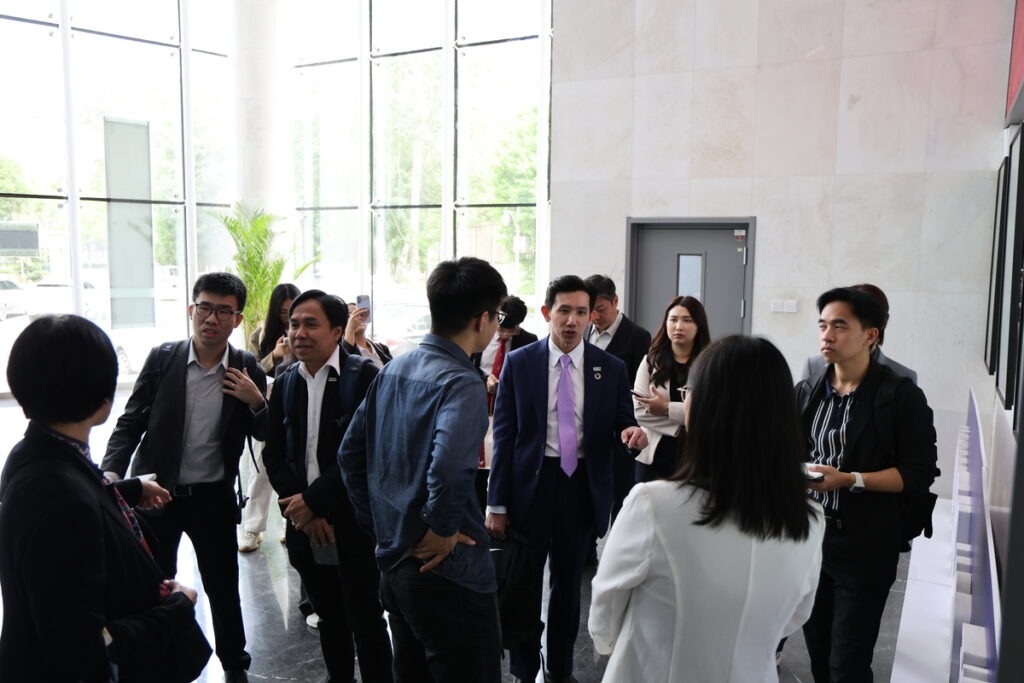
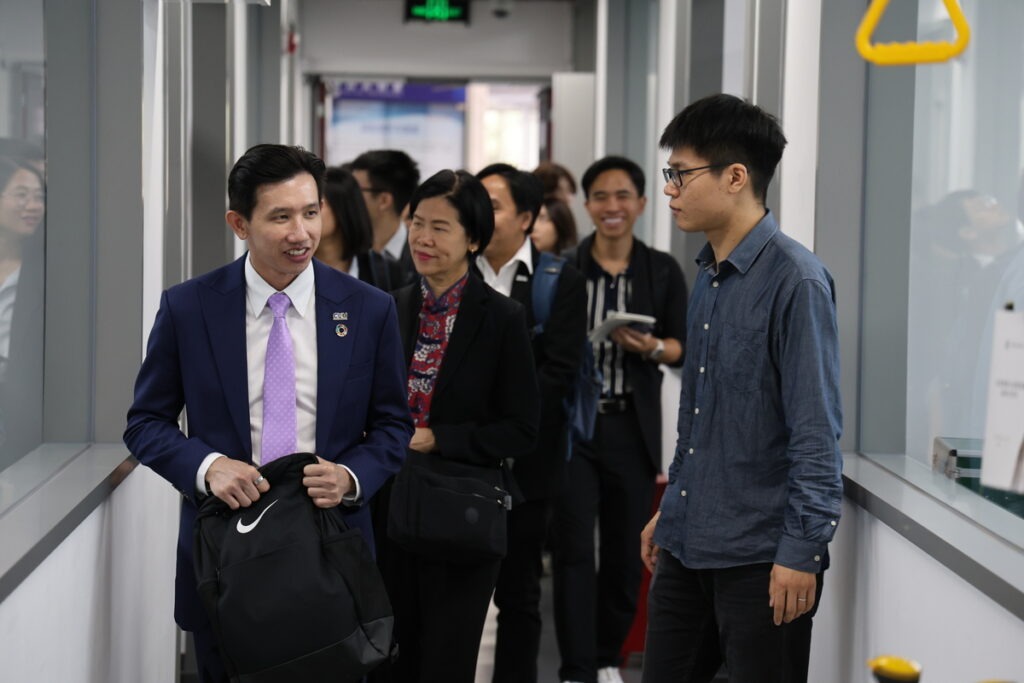
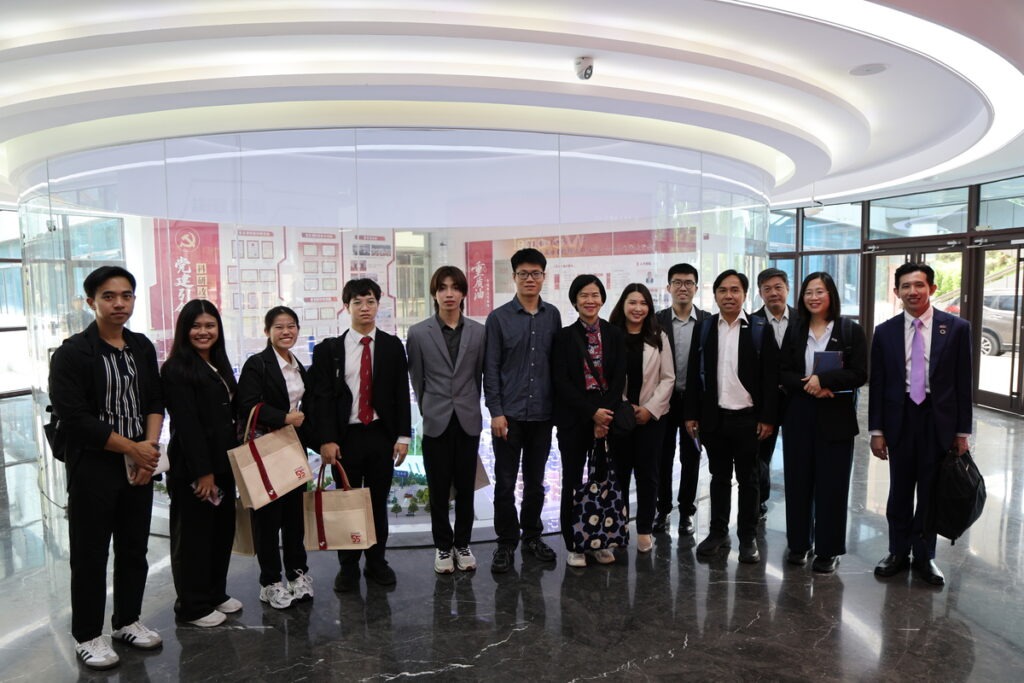
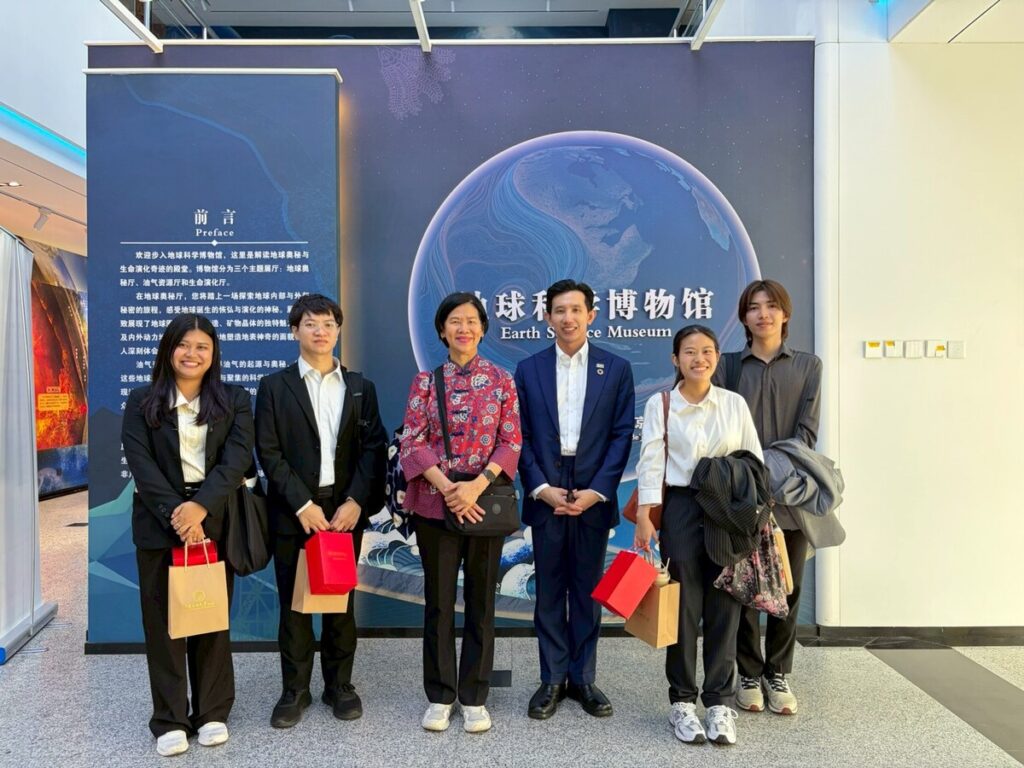
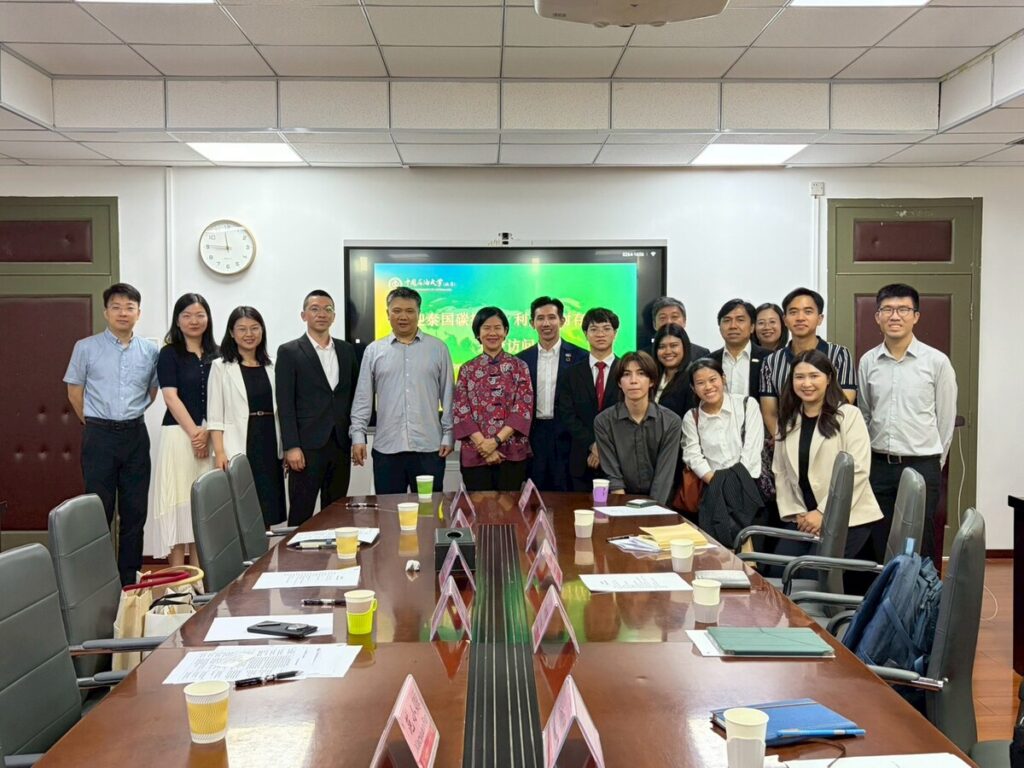
The ceremony was conducted during the visit to CUP and other institutions by the delegation of the Thailand CCUS Alliance (TCCA) from 20 to 27 May 2026, in which the TCCA delegation also served as distinguished witnesses to the ceremony. The delegation was led by Dr. Pongvipa Lohsomboon, Senior Specialist at the Thailand Science Research and Innovation (TSRI), as Chair of the TCCA Steering Committee; Dr. Kajornsak Faungnawakij, Senior Researcher at the National Nanotechnology Center (NANOTEC), National Science and Technology Development Agency (NSTDA), as Committee Member and Secretary of the TCCA Steering Committee; together with representatives from the Department of Climate Change and Environment under the Ministry of Natural Resources and Environment, the Department of Mineral Fuels under the Ministry of Energy, the Thai Cement Manufacturers Association (TCMA), and the private sector.
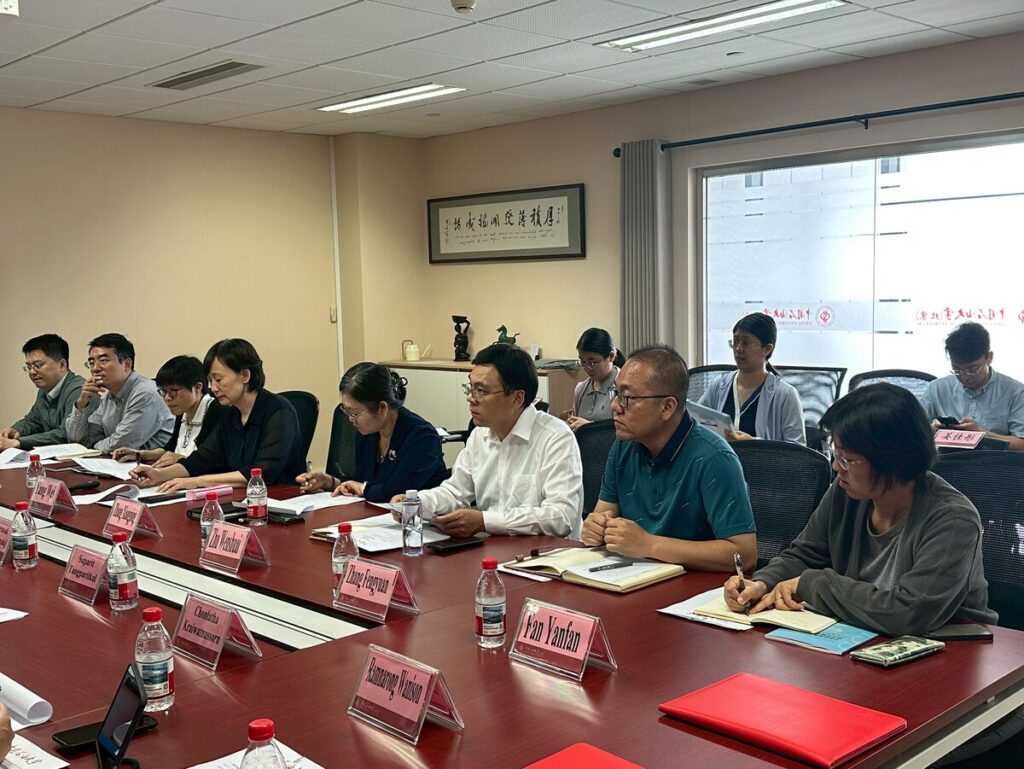
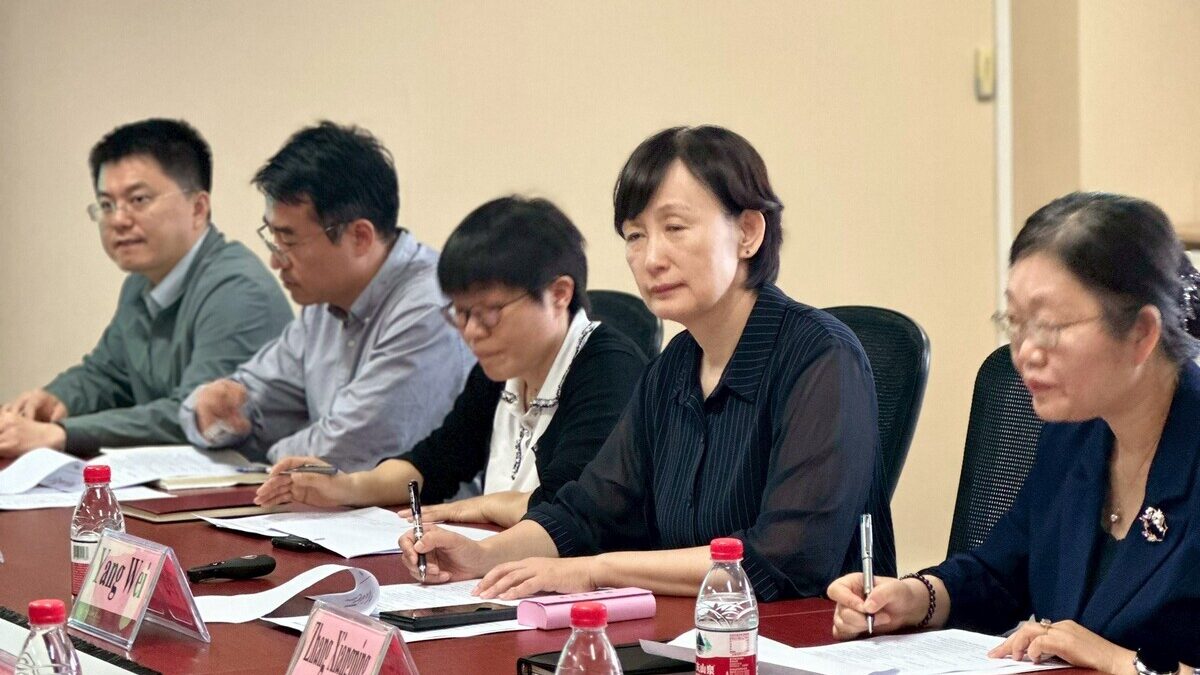
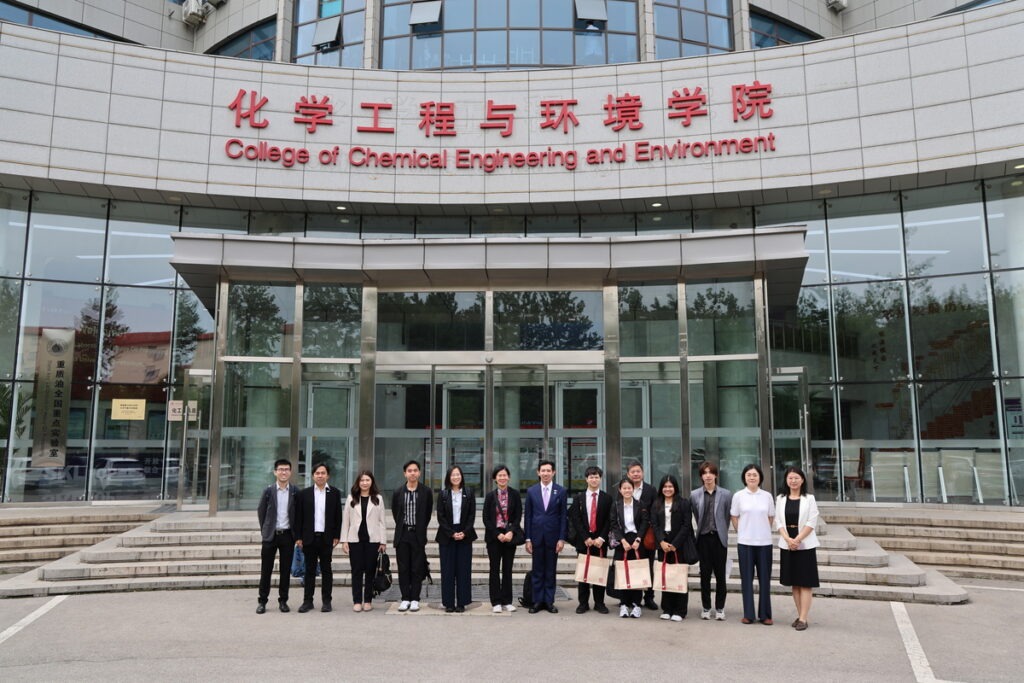
The Chinese host delegation was led by Ms. Yang Wei, Director of International Office, together with senior leadership and faculty from various academic units of the university, including Prof. Zhang Xiangping, Dean, College of Chemical Engineering and Environment; Prof. Lan Xingying, Director, State Key Laboratory of Heavy Oil Processing; Prof. Zhu Wenshuai, Deputy Dean, College of Chemical Engineering and Environment; Assoc. Prof. Liu Qi, Deputy Dean, Research Institute of Science and Technology; Assoc. Prof. Zhang Fengyuan, Deputy Director, International Office and Deputy Director, CCUS International Innovation Research Institute; Prof. Fan Yanfang, College of Chemical Engineering and Environment; Prof. Lyu Qichao, State Key Laboratory of Petroleum Resources and Engineering; Assoc. Prof. Yu Xiaoxiao, College of Science; Assoc. Prof. Lin Lyu, School of Economics and Management; and Lect. Jiang Jiatong, College of Petroleum, China University of Petroleum, Beijing at Karamay.
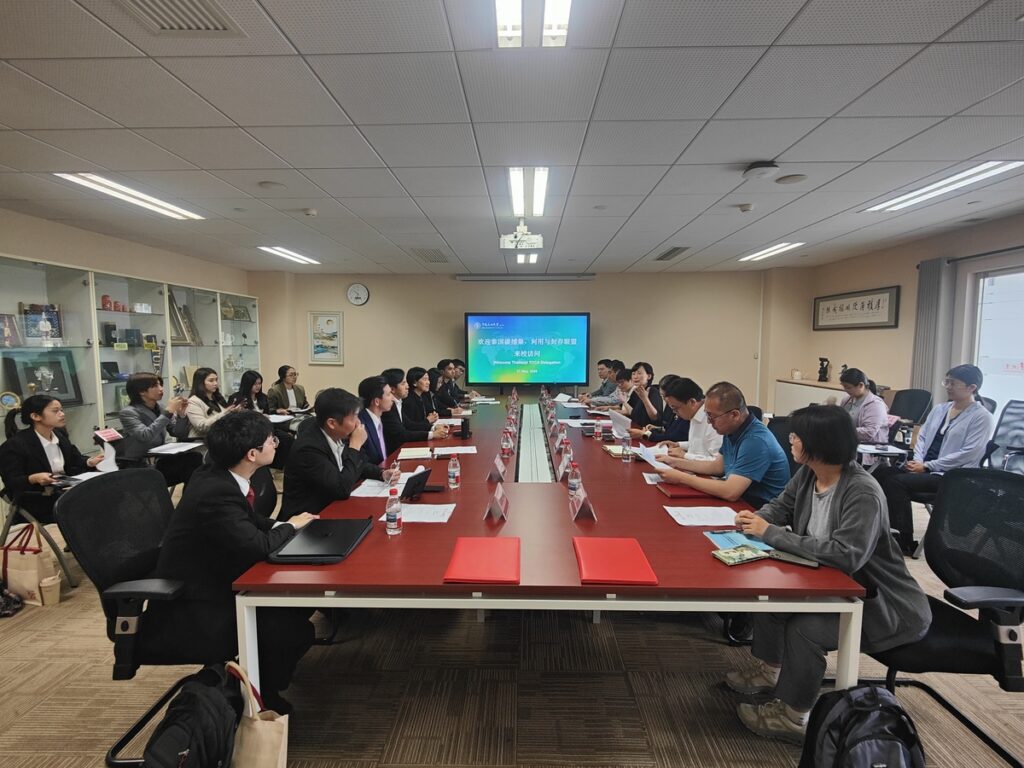
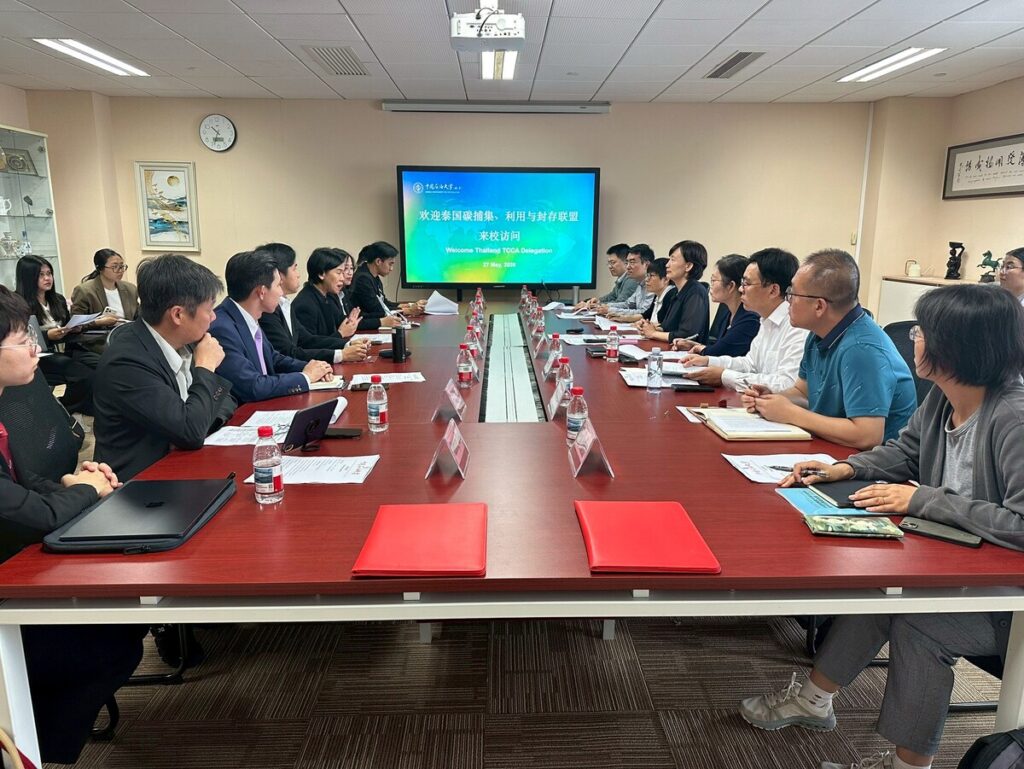
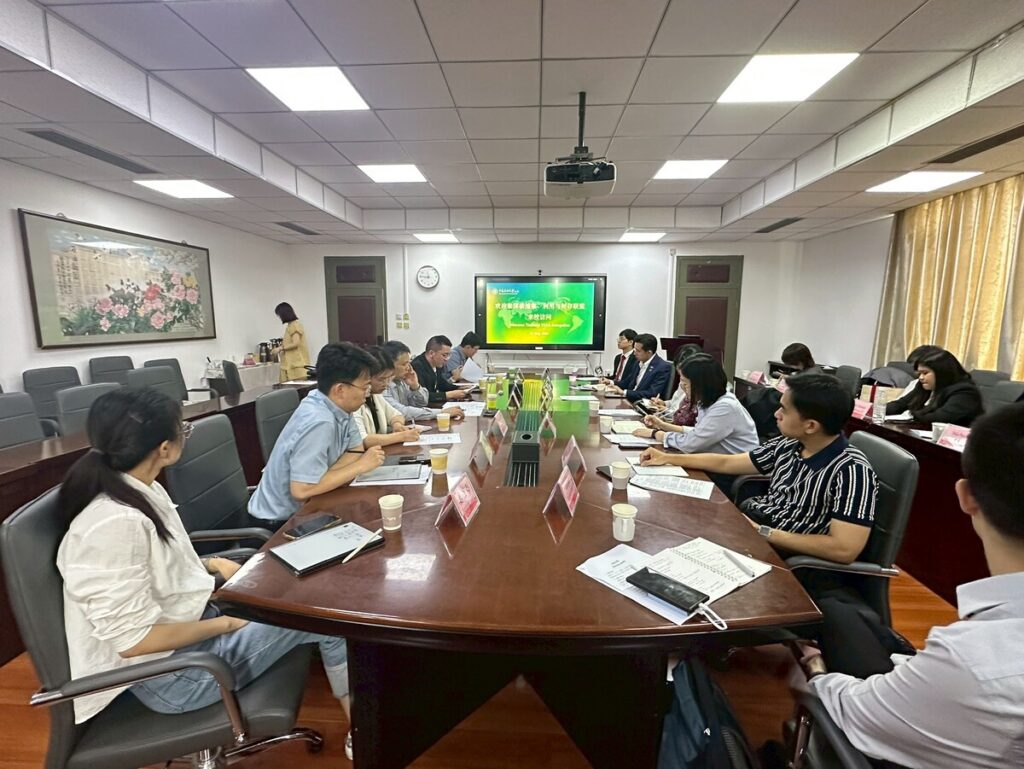
The programme on 27 May 2026 commenced with a tour of the State Key Laboratory of Heavy Oil Processing, one of China’s foremost national research facilities in heavy oil refining. The morning session was held with the International Office and CUP technical experts at Conference Room 1120, Main Building A, to discuss the framework of academic cooperation and shared research interests between the two institutions. Ms. Yang Wei delivered the welcoming remarks, Dr. Pongvipa Lohsomboon addressed the strategic direction of TCCA, and CUP faculty members presented research progress and academic capacities across various units of the university, followed by the MOU exchange ceremony between representatives of the two universities. In the afternoon, the delegation held a meeting with the College of Geosciences at Conference Room 1105, Geology Building, hosted by Prof. Shu Jiang, Dean, College of Geosciences, together with Zezhang Song, Deputy Director, International Office; Assoc. Prof. Chenhao Sun and Assoc. Prof. Ruiqian Chen from the College of Geosciences; and Fei Shang from PetroChina Exploration & Development Research Institute. Assoc. Prof. Chenhao Sun introduced the academic profile and research capacity of the College.
The technical discussions spanned a broad set of research themes shared by both institutions, with particular emphasis on Carbon Capture, Utilization and Storage (CCUS). Topics included carbon capture technologies based on amine solvents, membranes, and solid adsorbents; CO₂ mineralization in cement matrices with prospective applications in cement plants; advanced CO₂-Enhanced Oil Recovery (CO₂-EOR) techniques involving CO₂ foam flooding, nano-foaming, and water-alternating-gas (WAG) injection; the use of CO₂ as a working fluid in hydraulic fracturing and energy storage in subsurface reservoirs; and the application of nano-robots for in-situ reservoir monitoring. Discussions also extended to Life Cycle Assessment (LCA), green finance mechanisms, and the development of national standards for evaluating net emissions from CCUS systems, presented by Assoc. Prof. Lin Lyu of the School of Economics and Management—reflecting an integrated, system-level perspective on CCUS deployment.
Under this MOU, both institutions have jointly outlined concrete pathways for the next phase, including: (1) faculty and student exchange across undergraduate, master’s, and doctoral levels, including the exploration of short-term summer school programmes for student exchange, and support for graduate student exchange in CCUS-related fields through the China Scholarship Council (CSC) and other scholarships; (2) the development of Dual Degree Programs to jointly cultivate high-skilled human resources; (3) the submission of joint research proposals, particularly to strategic national research funding mechanisms of both countries, including the National Natural Science Foundation of China (NSFC) and the funding framework under Thailand’s Ministry of Higher Education, Science, Research and Innovation (MHESI)—in alignment with MHESI’s Science Diplomacy policy; (4) the strengthening of research collaboration between CUP’s National Key Laboratories and the Chiang Mai CCS Research Center, including the initiation of joint scientific publications, the invitation of senior Thai scientists as Visiting Professors, and the prospective establishment of joint laboratories; (5) joint participation in international academic forums, such as the International Conference on Petroleum Accumulation to be held in Karamay in August 2026; and (6) exploratory discussions on the development of a joint Thailand–China pilot CCUS demonstration project in the medium term.
The signing and exchange of this MOU represent a significant milestone for Chiang Mai University in expanding and elevating its international academic network—from a sustained research-group-level engagement into an institution-level framework encompassing education, research, and the development of high-skilled human resources, particularly in petroleum engineering, energy, and Carbon Capture and Storage technologies. This cooperation also aligns with MHESI’s Science Diplomacy policy and Thailand’s national strategy for science, research, and innovation, contributing to the energy transition and the long-term Carbon Neutrality and Net Zero ambitions of both Thailand and the People’s Republic of China.