
Engineering CMU Hosted IEDC 2026 (International Engineering Design Challenge) to Drive Friendly Innovation for Elder Tourists in Chiang Mai
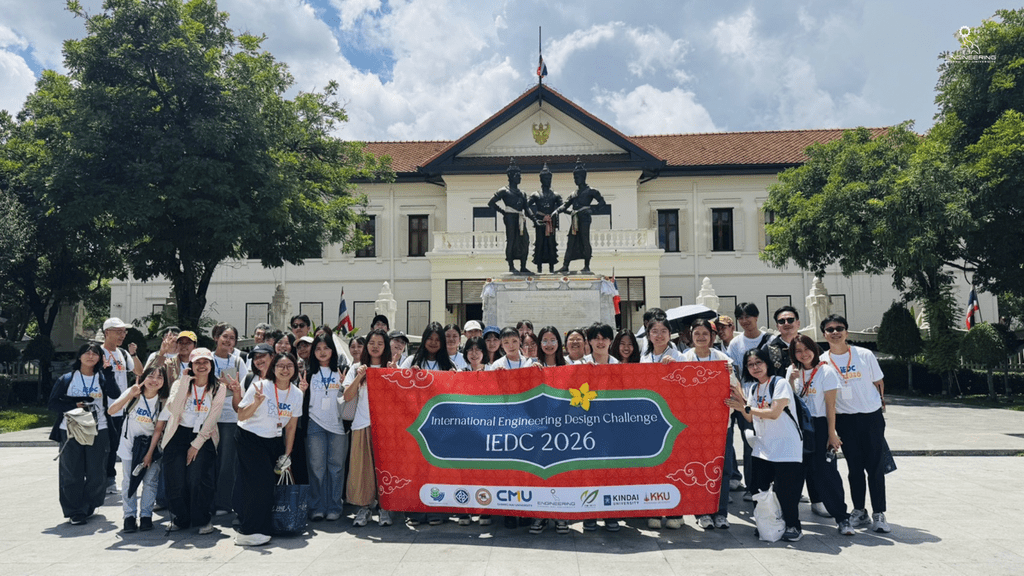
The Faculty of Engineering, Chiang Mai University, by Chiang Mai International Engineering School (CM-IES), hosted the International Engineering Design Challenge 2026 (IEDC 2026) from August 31 to September 5, 2026, at the Faculty of Engineering, Chiang Mai University, held under the theme “Designing Innovation Friendly to Elder Tourists in Chiang Mai,” the program provided an international learning platform for students from diverse countries and cultural backgrounds to exchange knowledge and perspectives, strengthen teamwork skills and apply the Design Thinking process to develop creative ideas and innovations aimed at making tourism in Chiang Mai safer, more accessible and more responsive to the needs of senior tourists.
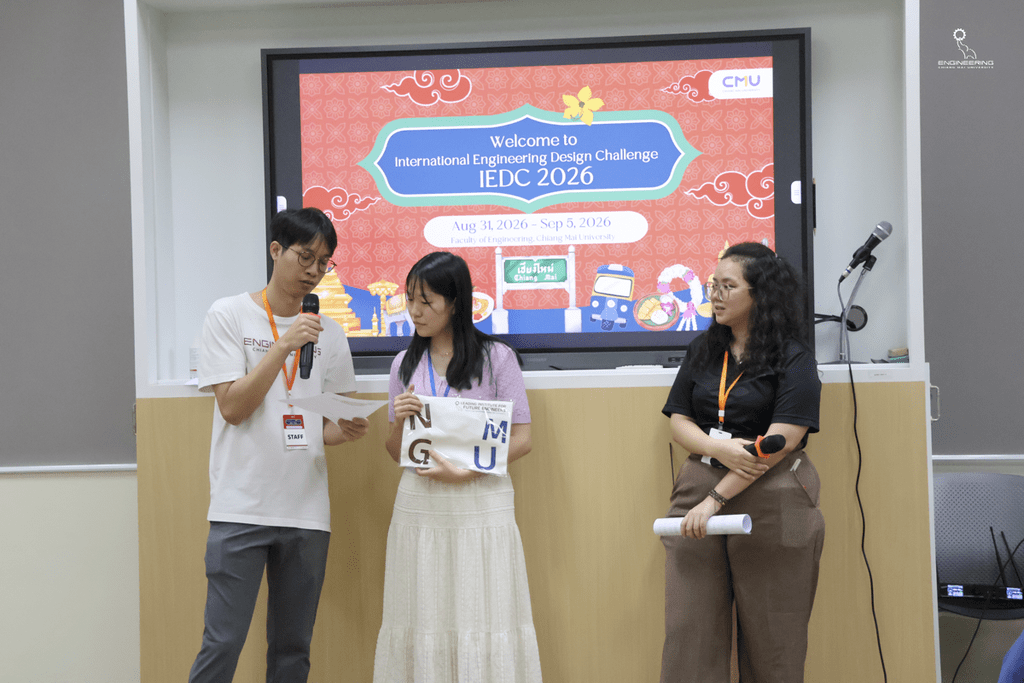
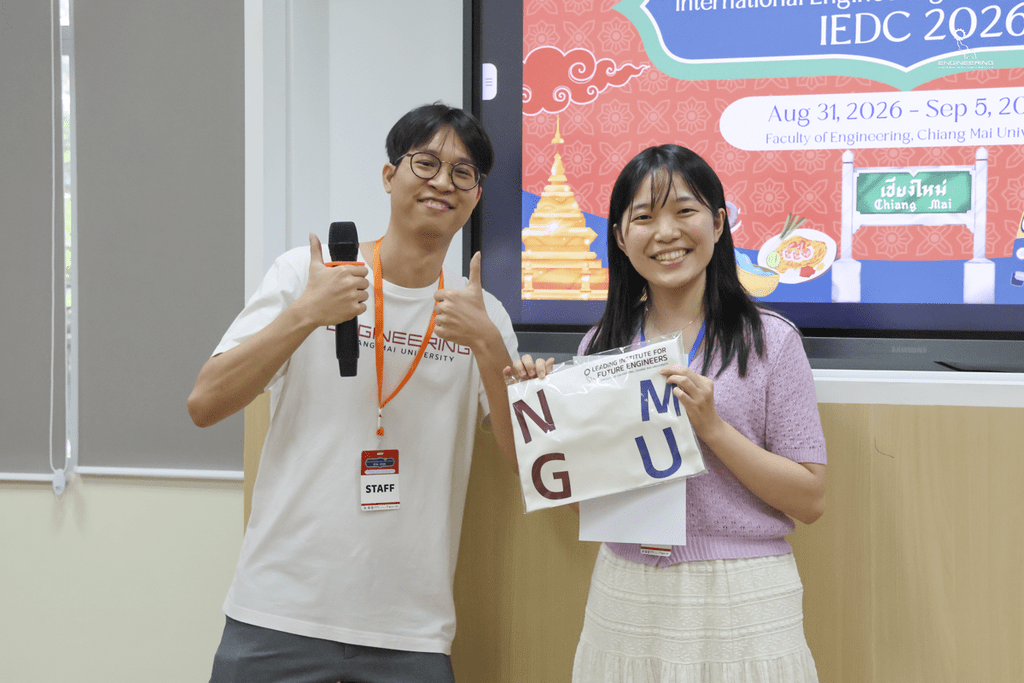
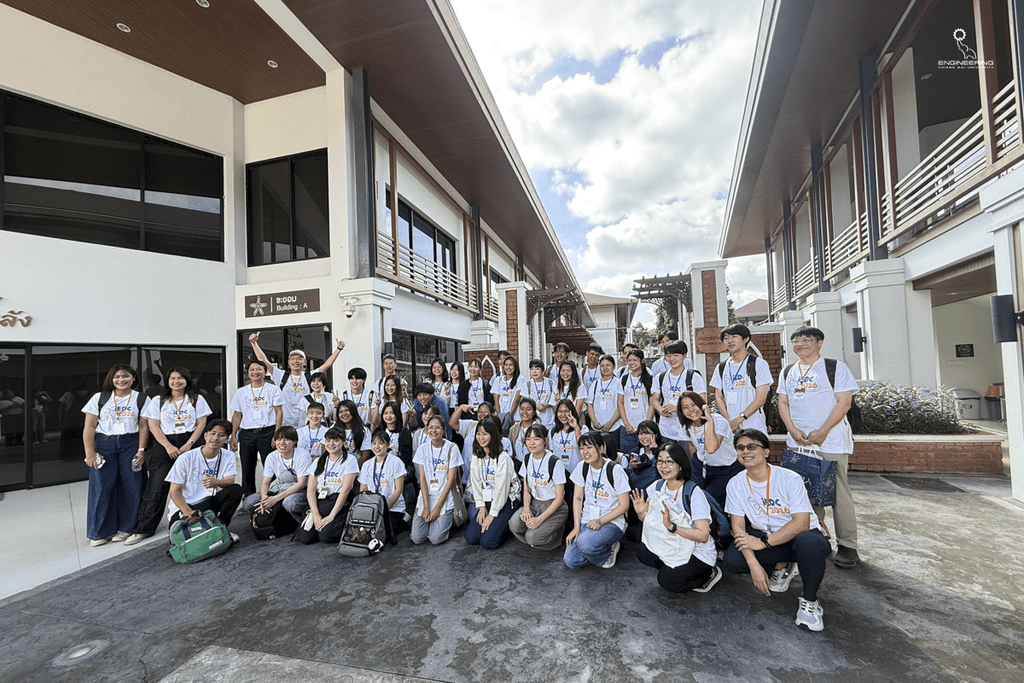
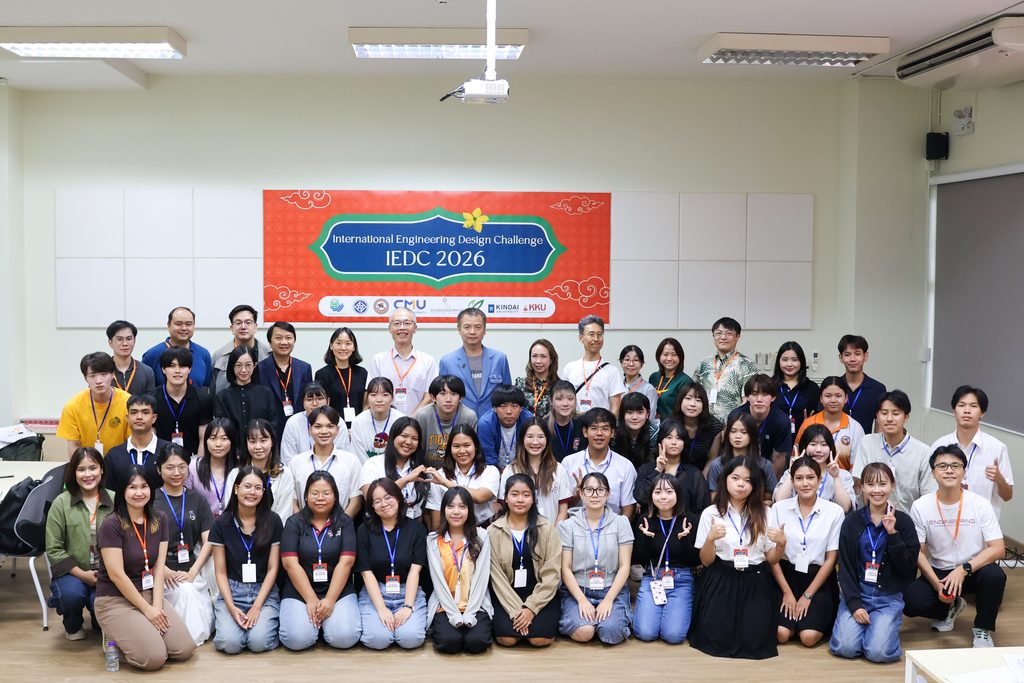
In this year 2026, the program welcomed more than 60 faculty members and students from universities in Thailand and abroad, including Chiang Mai University, Naresuan University, Khon Kaen University, Muroran Institute of Technology, Kindai University, Hokkaido Information University in Japan and National Taichung University of Science and Technology in Taiwan.
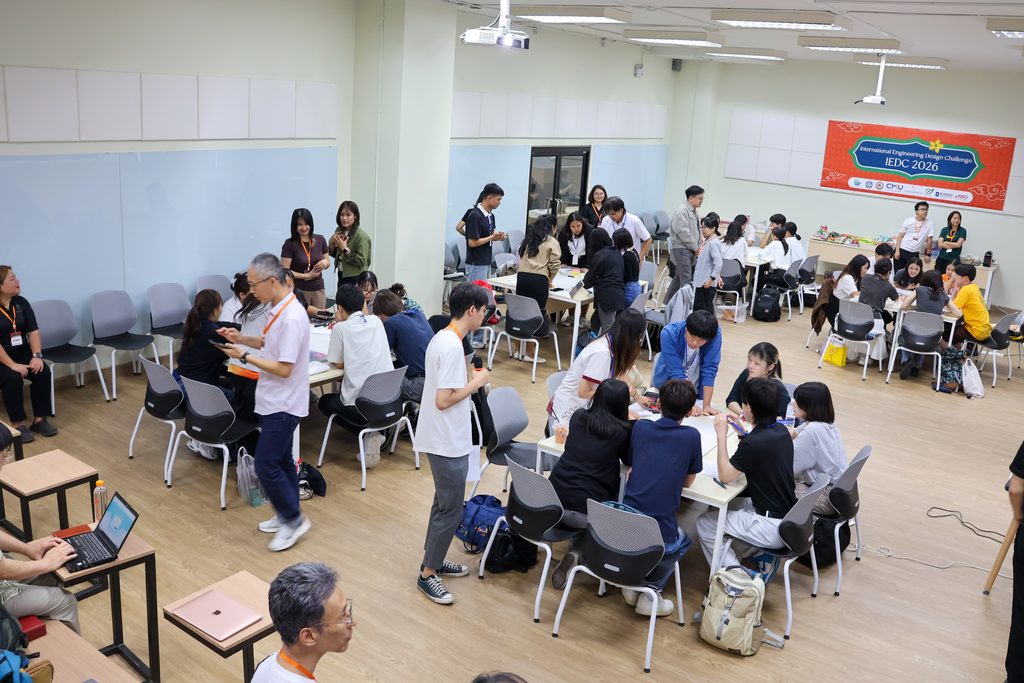
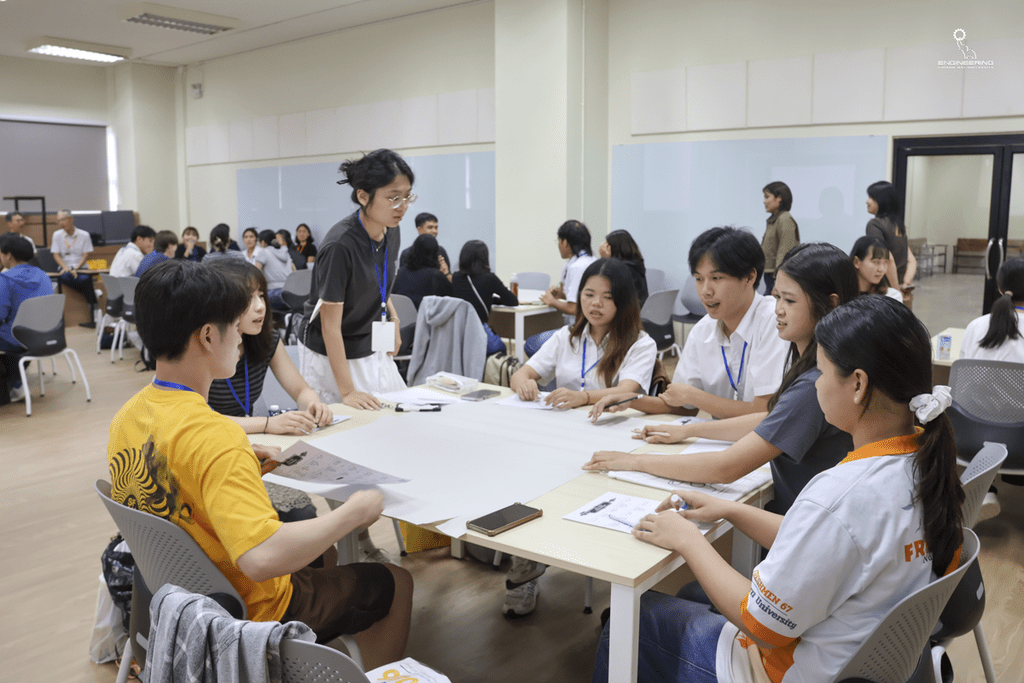
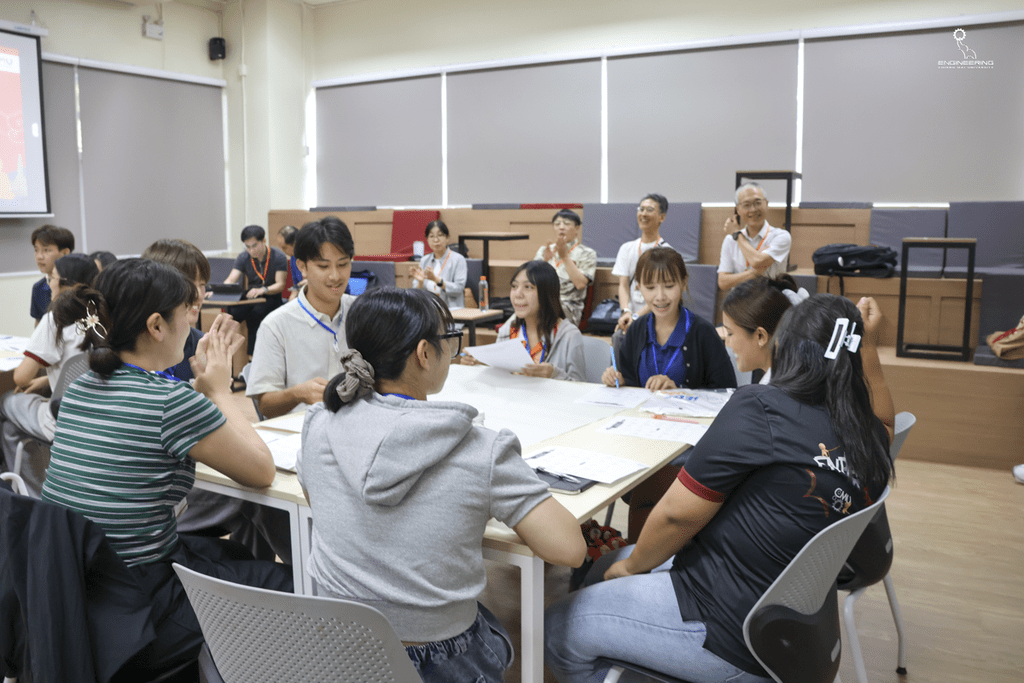
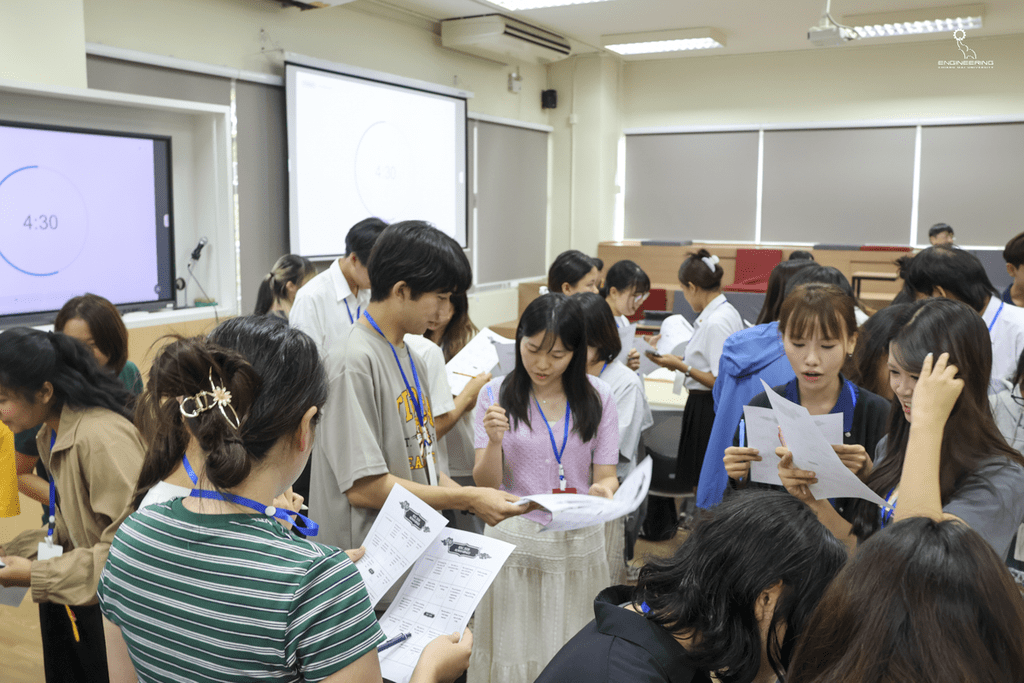
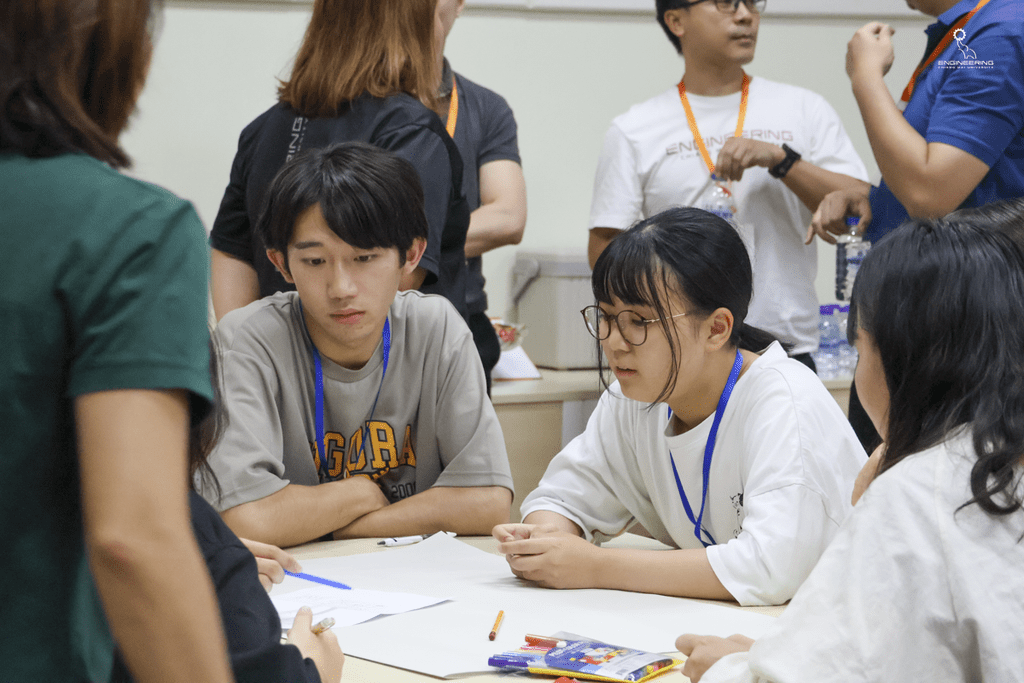
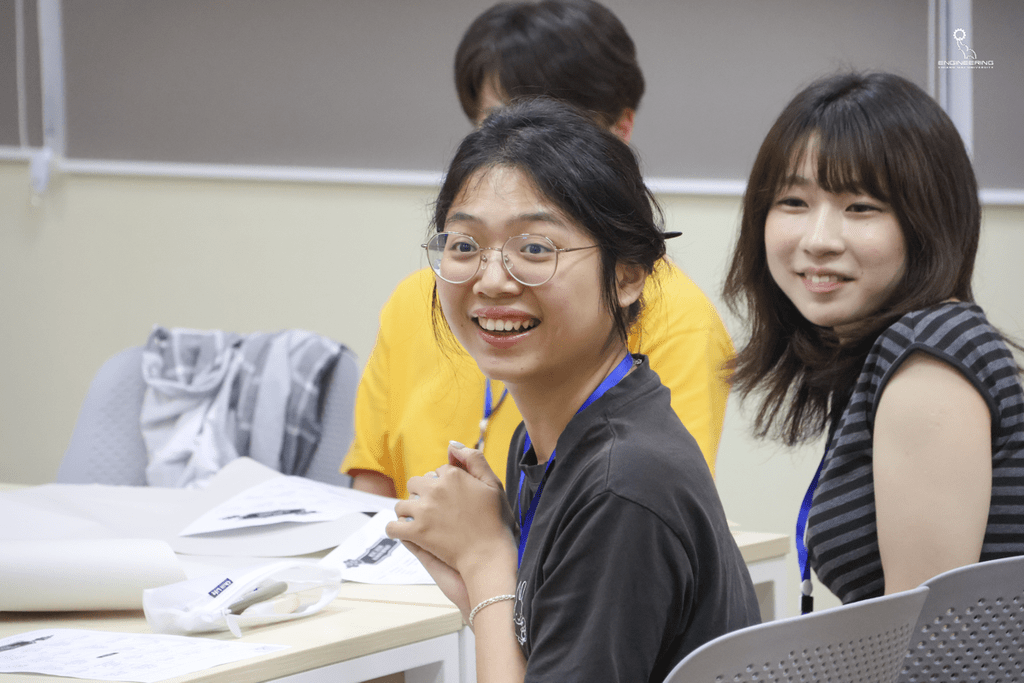
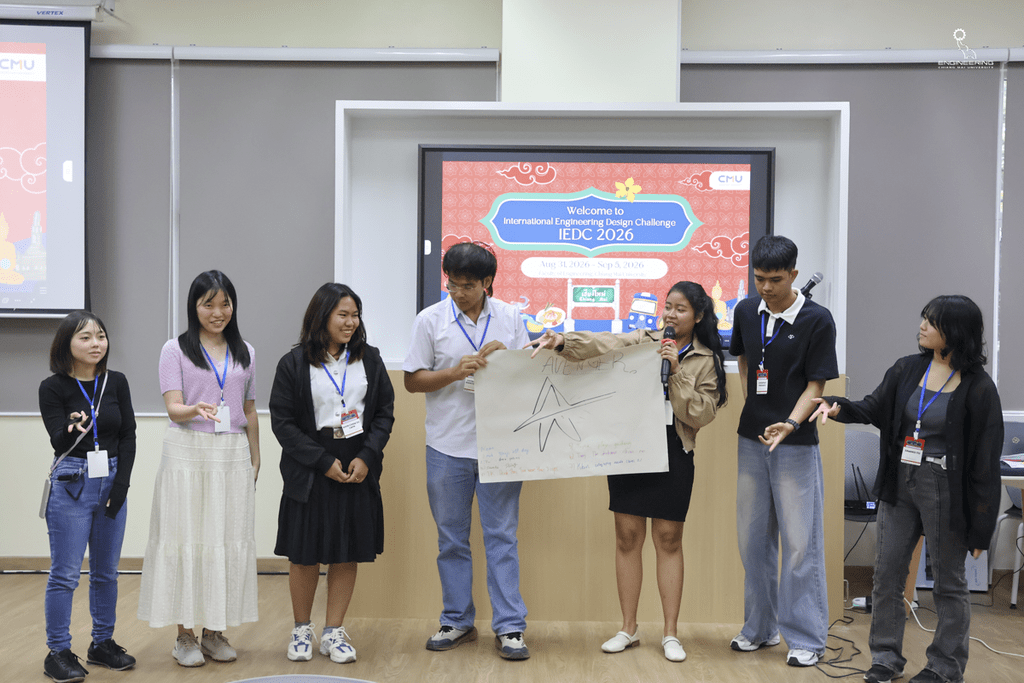
Throughout the program, students worked in multicultural and multidisciplinary teams, bringing together participants from different universities, countries and academic backgrounds. Each team explored real-world challenges, exchanged ideas and developed innovative solutions addressing the needs of senior tourists.
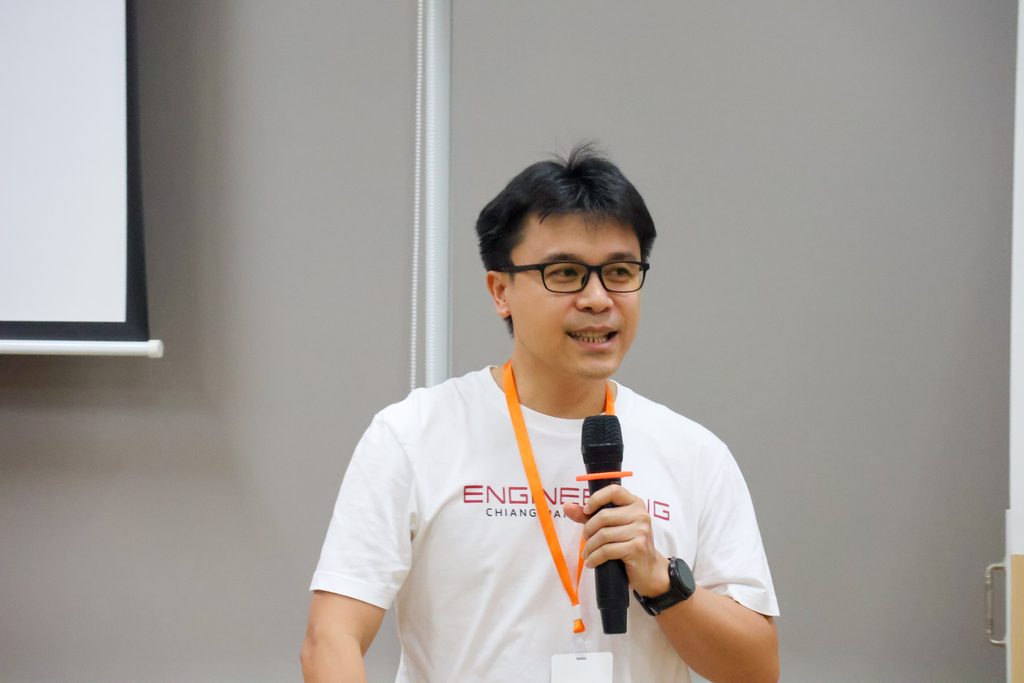
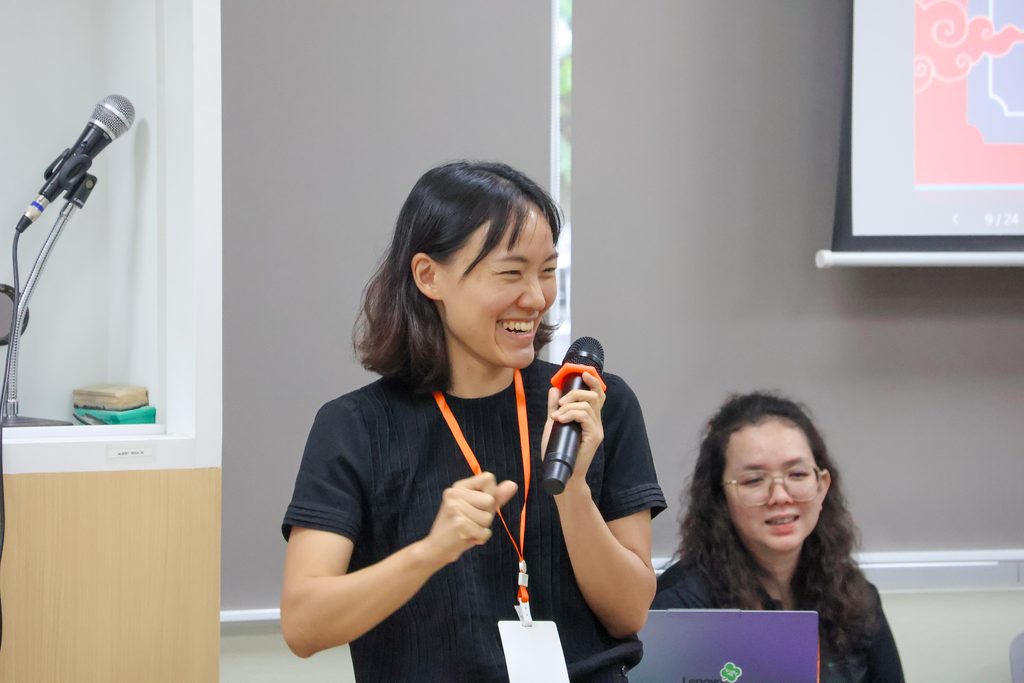
Prior to developing their concepts, the students gained valuable insights from CMU faculty members who served as guest lecturers. The sessions covered tourism, design thinking, and health and safety considerations for senior travelers:
1. Dr. Chonnipa Kanchaikham, Faculty of Architecture – “Chiang Mai Tourism”
2. Dr. Phavika Mongkolkittaveepol, Faculty of Engineering – “Design Thinking Process”
3. Assoc. Prof. Dr. Amornphat Kitro, M.D., Faculty of Medicine – “Health and Safety Risks in Elderly Travel”
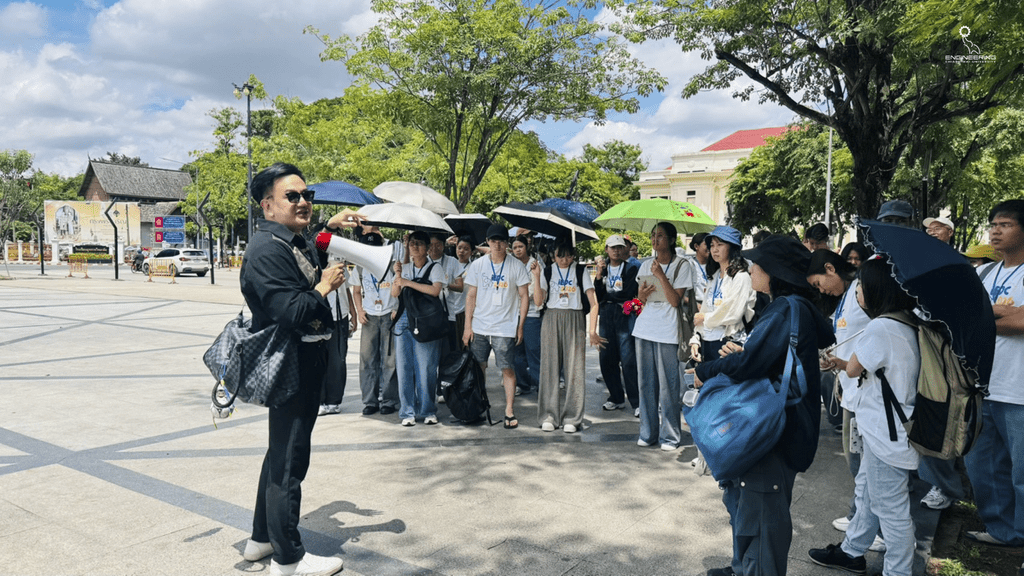
The program also emphasized experiential and field-based learning. Students conducted field studies in Chiang Mai Old City, where they observed the tourism environment and interviewed visitors to better understand their needs, challenges, and travel experiences.
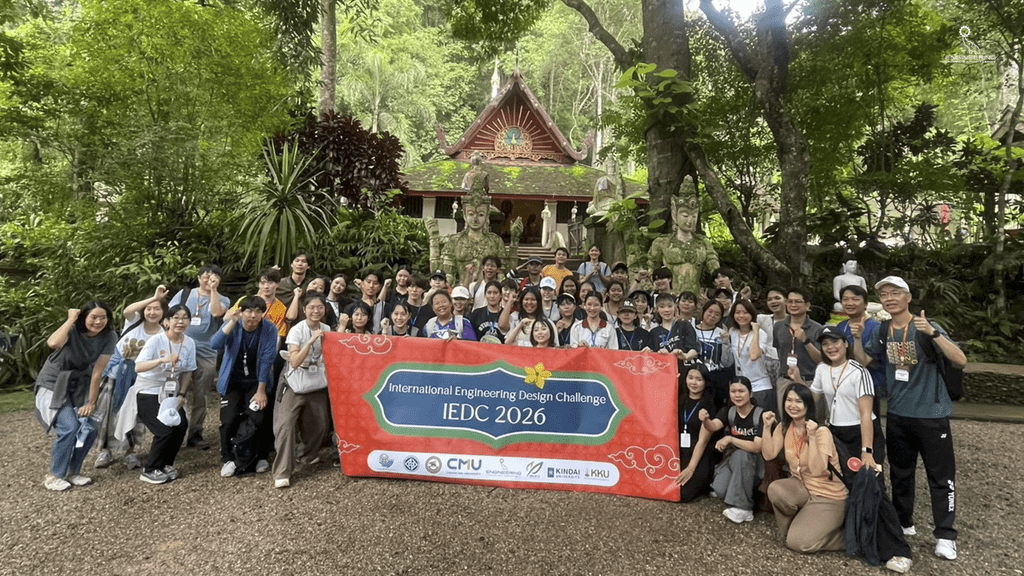
Participants also took part in the Monk’s Trail hike to Wat Pha Lat, allowing them to experience Chiang Mai’s natural tourism setting while strengthening teamwork and friendships among students from different cultural backgrounds.
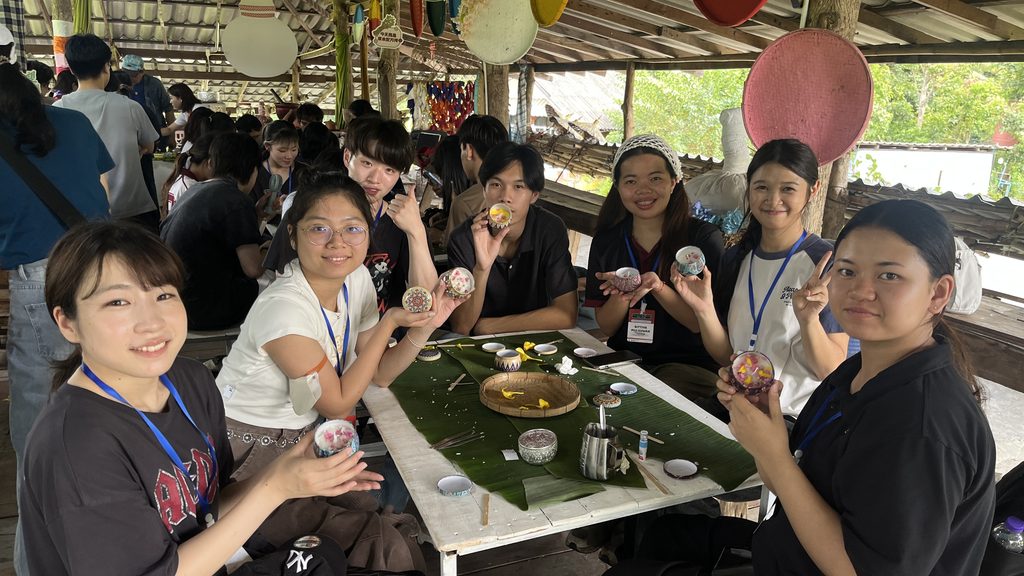
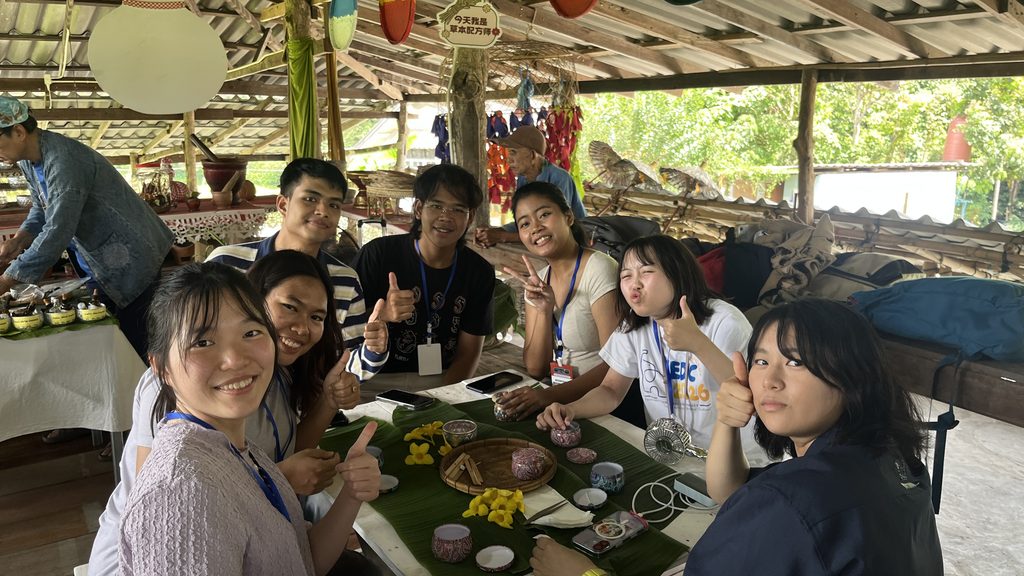
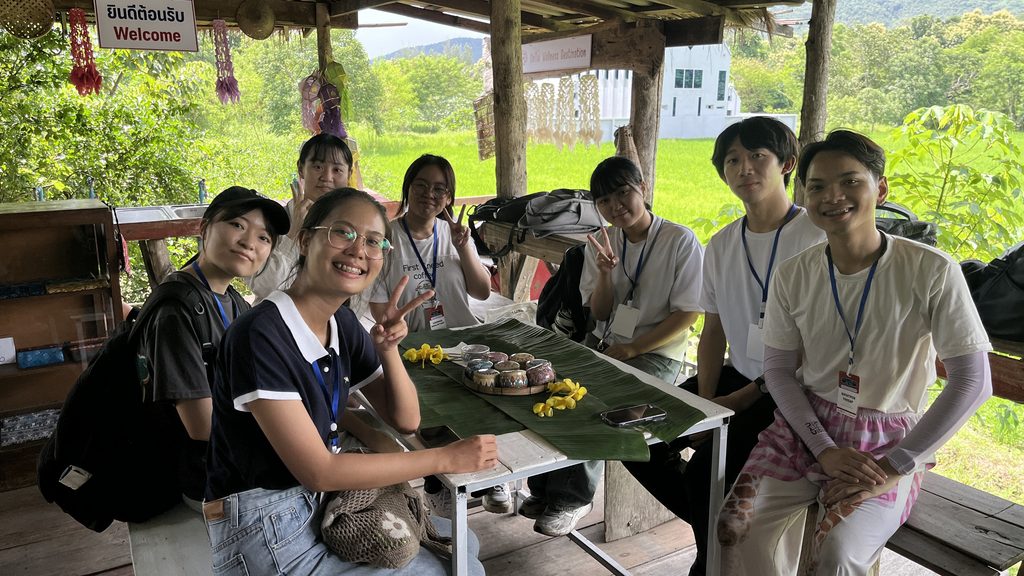
Another key activity was a field visit to On Tai Community, San Kamphaeng District, Chiang Mai, where students learned about local lifestyles, culture, traditional knowledge, and the potential of community-based tourism. They also participated in hands-on craft activities, including aromatic candle making, before incorporating insights from these real-world experiences into the development of their team projects.
Throughout the program, the students worked intensively through every stage of the design process—from field research and problem analysis to developing personas, brainstorming ideas, and creating and refining prototypes. Their dedication, creativity, and ability to collaborate effectively with international teammates were clearly demonstrated throughout the week.
On the final day, each team presented its project during the Final Presentation at Jia Tong Heng Restaurant, showcasing the outcomes of their learning journey and innovation development. The event was held in an atmosphere of academic exchange, friendship, and shared achievement among students and faculty members from all participating universities.
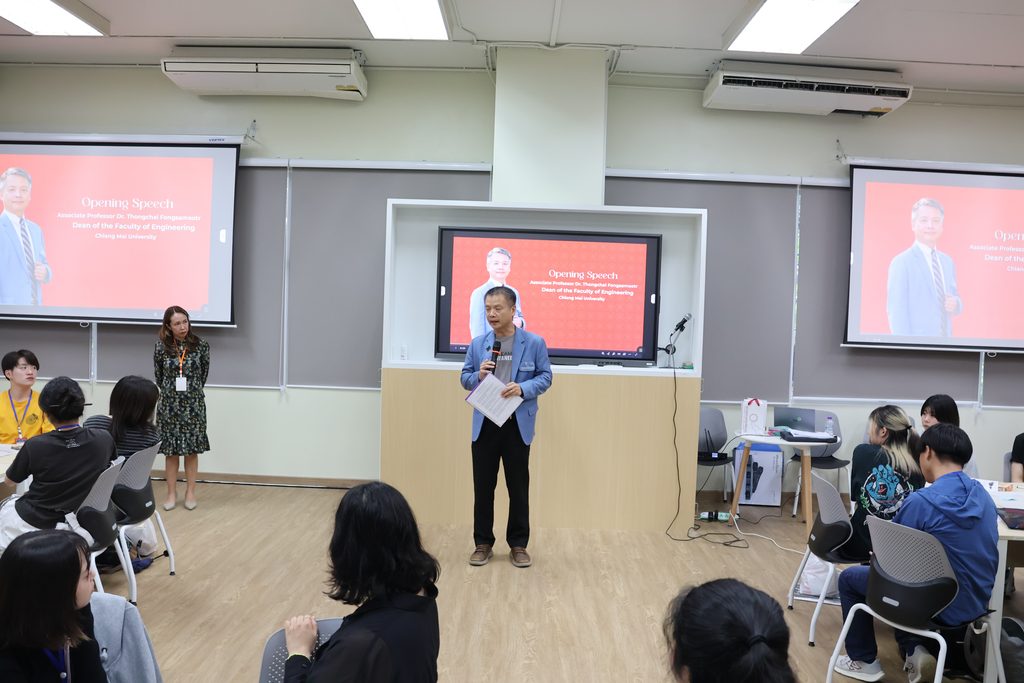
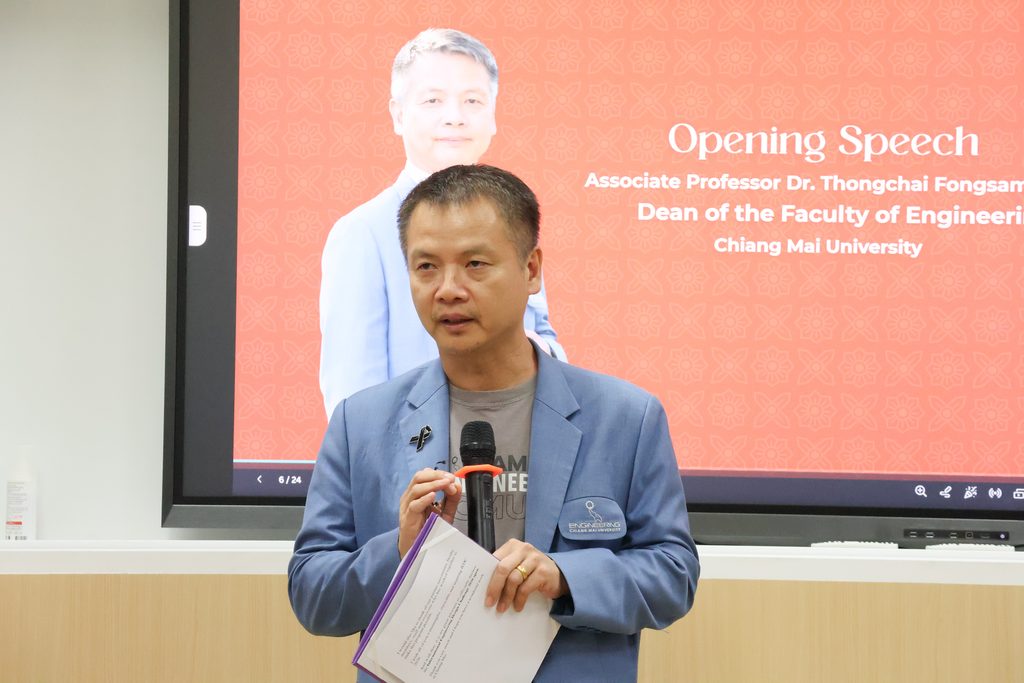
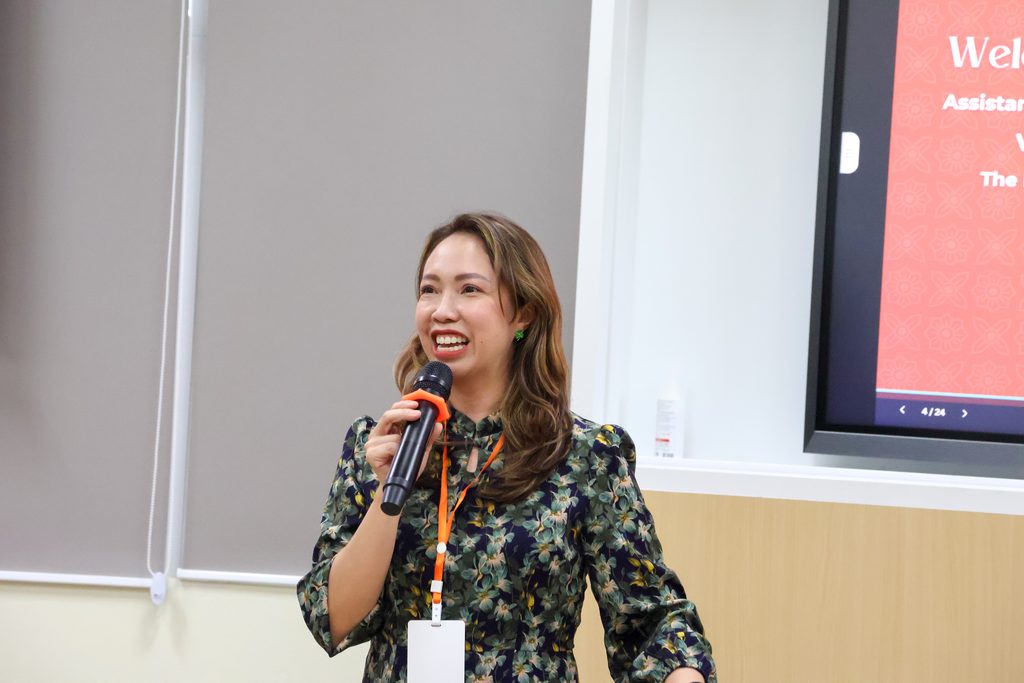
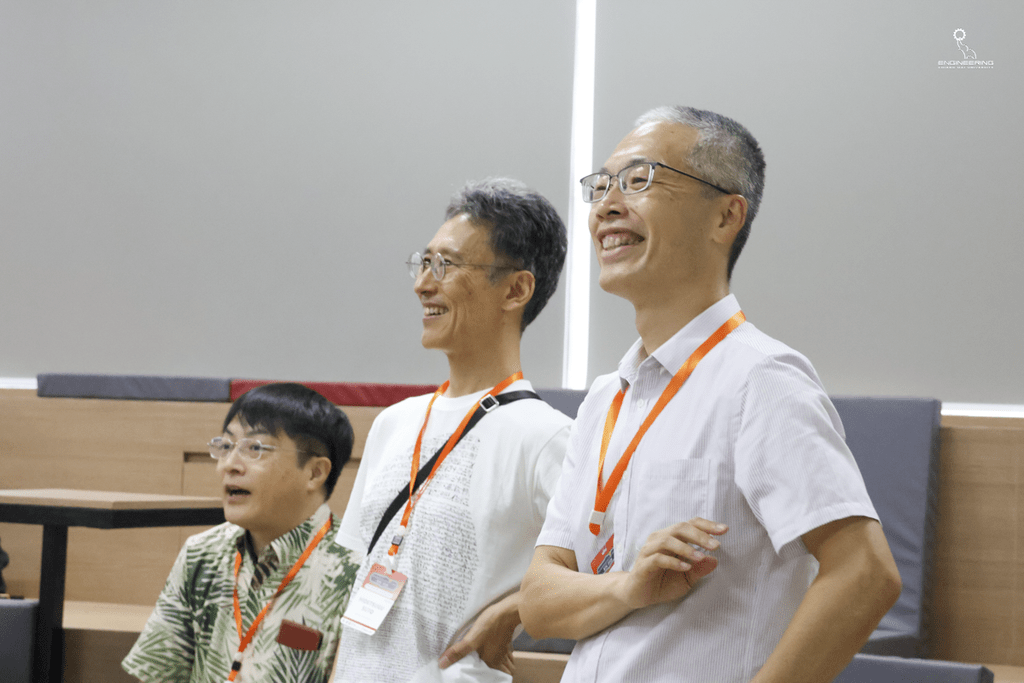
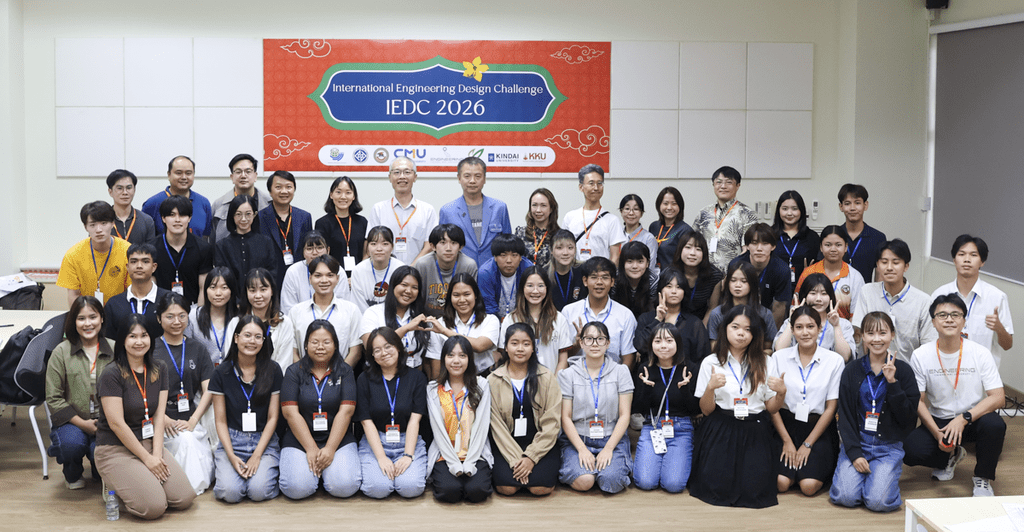
The event was honored by the presence of Assoc. Prof. Dr. Thongchai Fongsamootr, Dean of the Faculty of Engineering, Chiang Mai University, and Asst. Prof. Dr. Korrakot Yaibuathet Tippayawong, Associate Dean and Director of the Chiang Mai International Engineering School (CM-IES), together with faculty members from partner universities, who provided guidance, encouragement, and support to the students throughout the program.
IEDC 2026 served as an important platform for international learning and the development of essential skills in creativity, problem-solving, communication, and cross-cultural teamwork. The program also strengthened academic networks and friendships among participating institutions while highlighting the Faculty of Engineering, Chiang Mai University’s commitment to applying engineering knowledge and design thinking to develop meaningful innovations that address the needs of an aging society and contribute to more sustainable and inclusive tourism.