
The Faculty of Engineering, Chiang Mai University participated in The Quantum Convergence: Launching Thailand’s First IBM Quantum Network Academic Member in Collaboration with NUS (National University of Singapore)
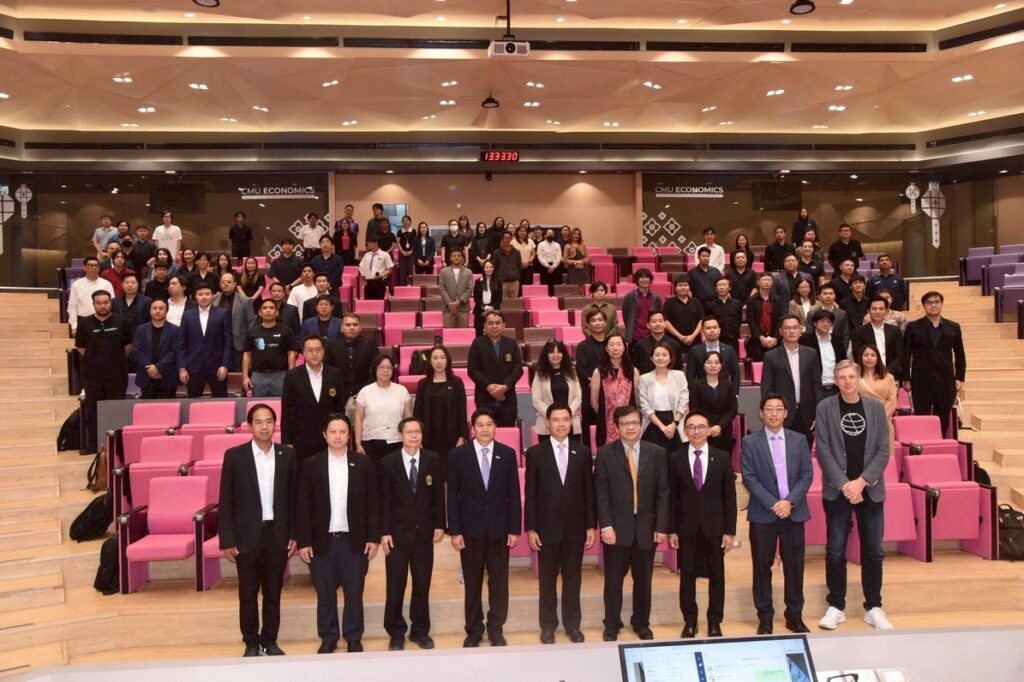
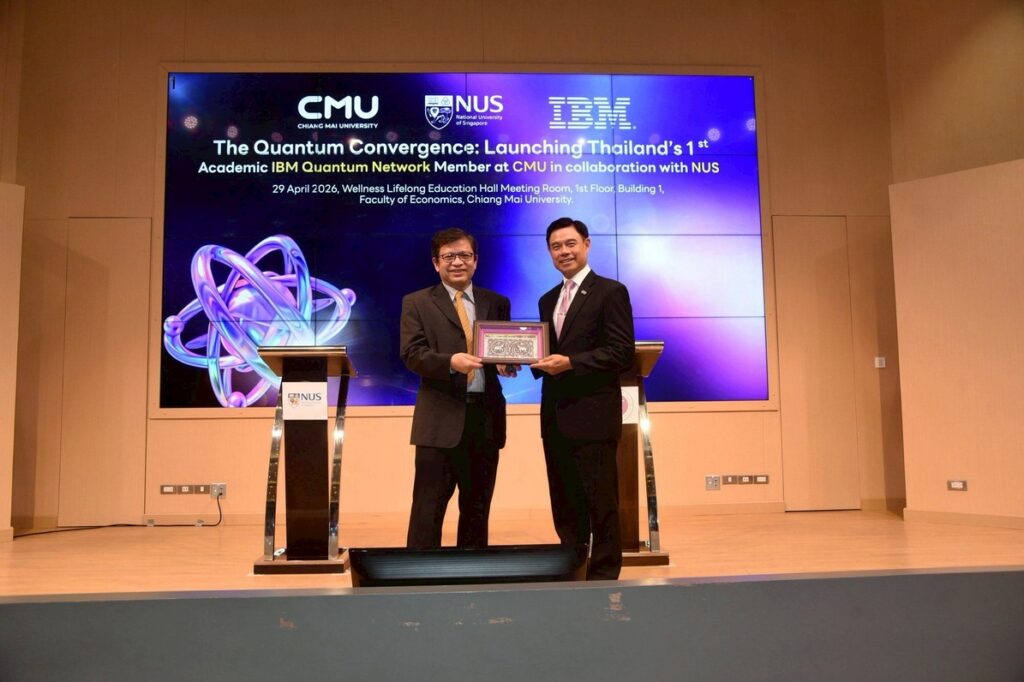
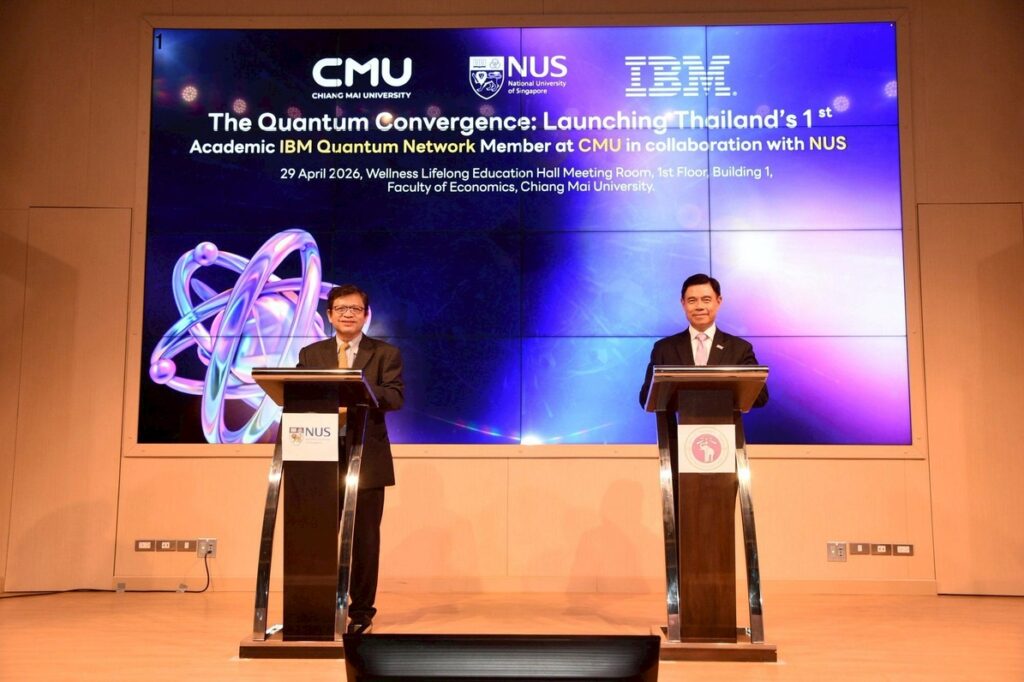
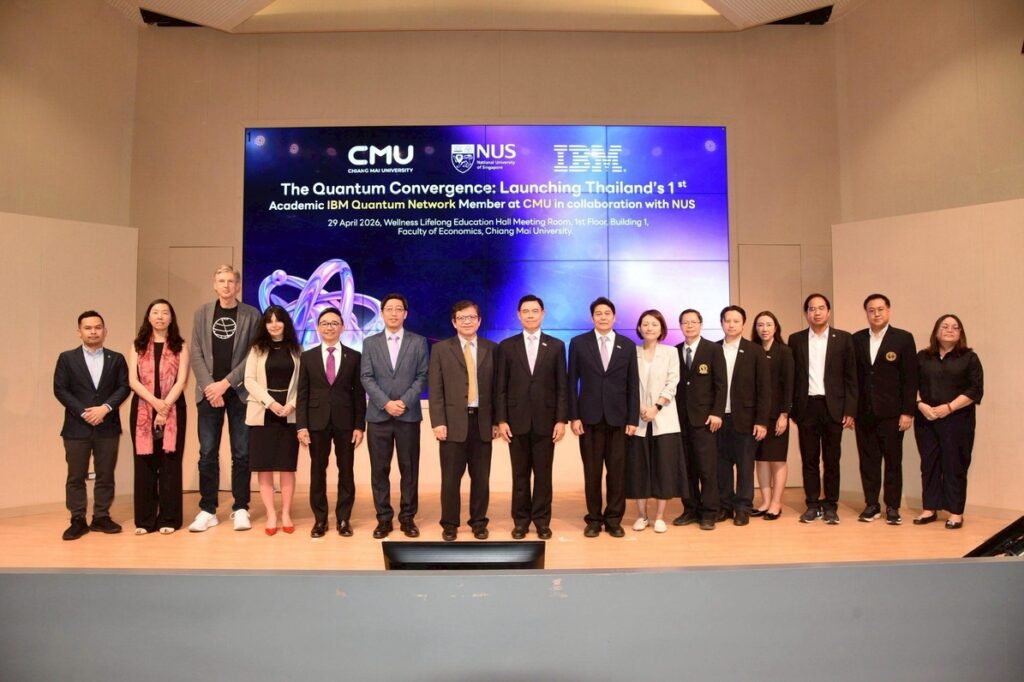
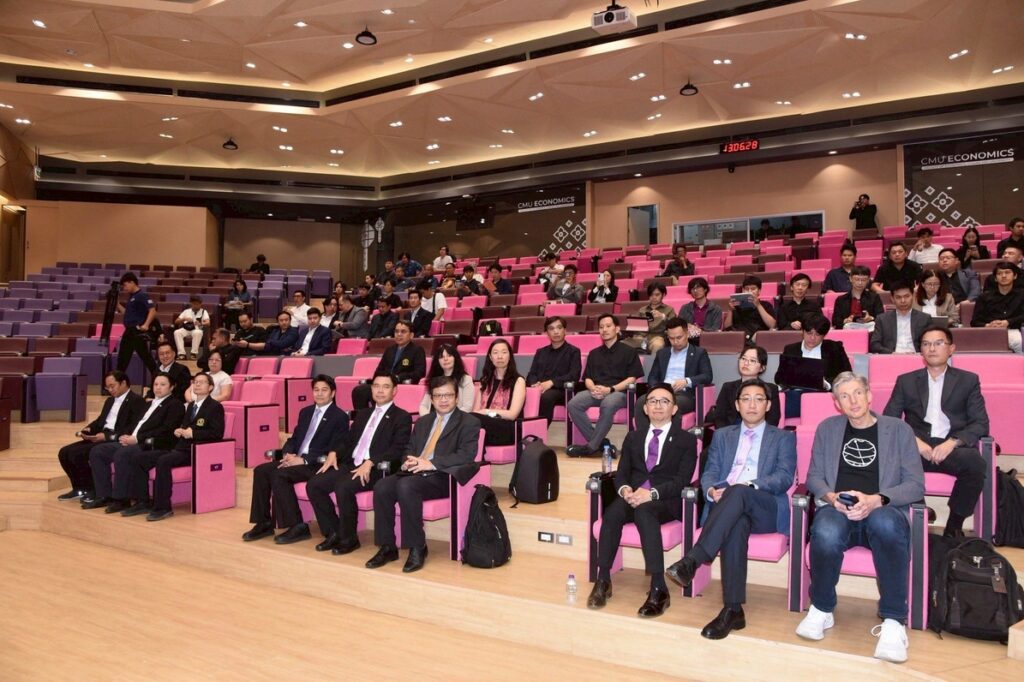
On April 29, 2026, Asst. Prof. Dr. Navadon Khunlertgit, Head of the Department of Computer Engineering, and Dr. Autanan Wannachai, Chair of the Robotics and Artificial Intelligence Engineering Program, attended the conference titled “The Quantum Convergence: Launching Thailand’s First IBM Quantum Network Academic Member in Collaboration with NUS (National University of Singapore)”. The event aimed to leverage IBM’s foundations in artificial intelligence and quantum computing to develop practical knowledge for research and to address challenges within the Thai context.
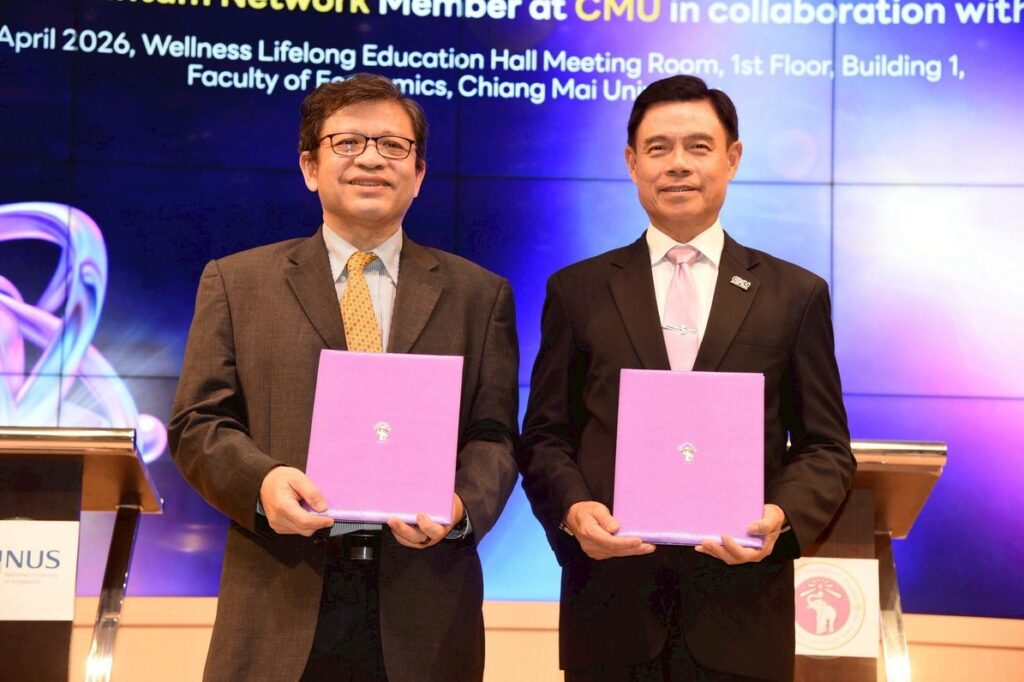
On this occasion, Chiang Mai University officially announced its collaboration with IBM (NYSE: IBM) to join the IBM–NUS Research and Innovation Center. This partnership focuses on advancing methodologies for applying artificial intelligence to develop advanced computing infrastructure. The agreement was signed by Prof. Pongruk Sribanditmongkol M.D, Ph.D., President of Chiang Mai University, and Mr. George Loh, Associate Vice President (Strategic Partnership), National University of Singapore.
Under this collaboration, students and researchers from the Faculty of Engineering, Chiang Mai University will gain access to advanced quantum technologies through the IBM Quantum Platform, which provides continuous access to cutting-edge quantum capabilities. This will support engineering-focused education, system-level experimentation, and frontier research, while strengthening practical skills and knowledge in quantum computing from an engineering perspective.
Furthermore, this collaboration extends to the application of quantum knowledge, research, and innovations in engineering and industrial sectors, such as intelligent system design, process optimization, and the development of advanced technologies. These efforts aim to generate positive impacts across academia, industry, and society in a sustainable manner. The development of a quantum ecosystem within the engineering domain will not only advance research but also create new opportunities to drive Thailand’s digital economy and innovation in the long term.