
Faculty of Engineering, Chiang Mai University Signs MOU with Thailand Institute of Occupational Safety and Health (Public Organization)
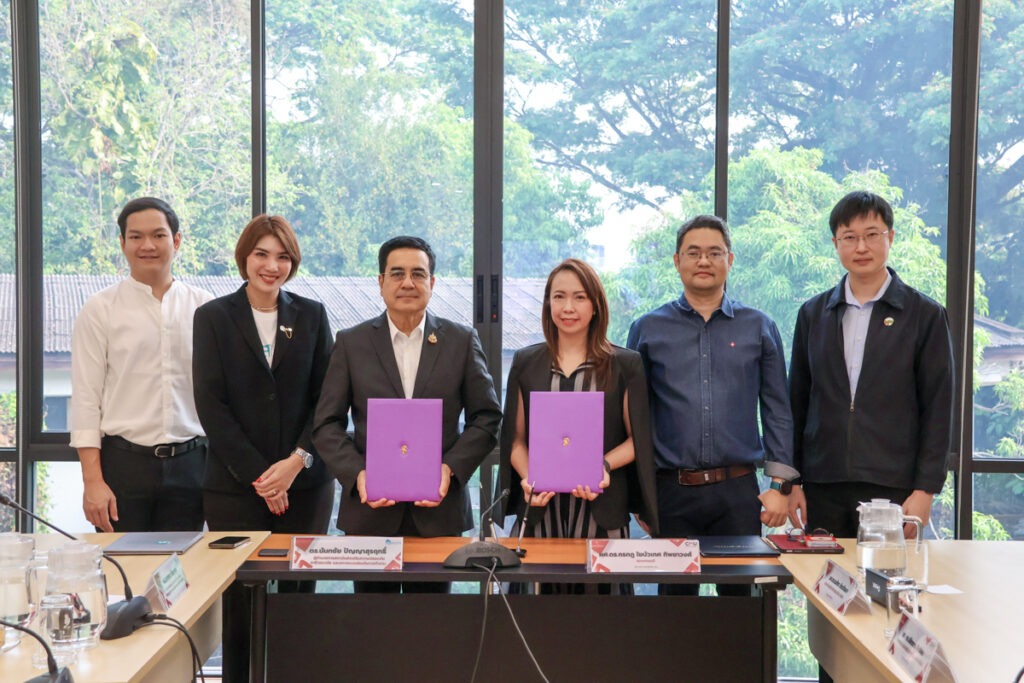
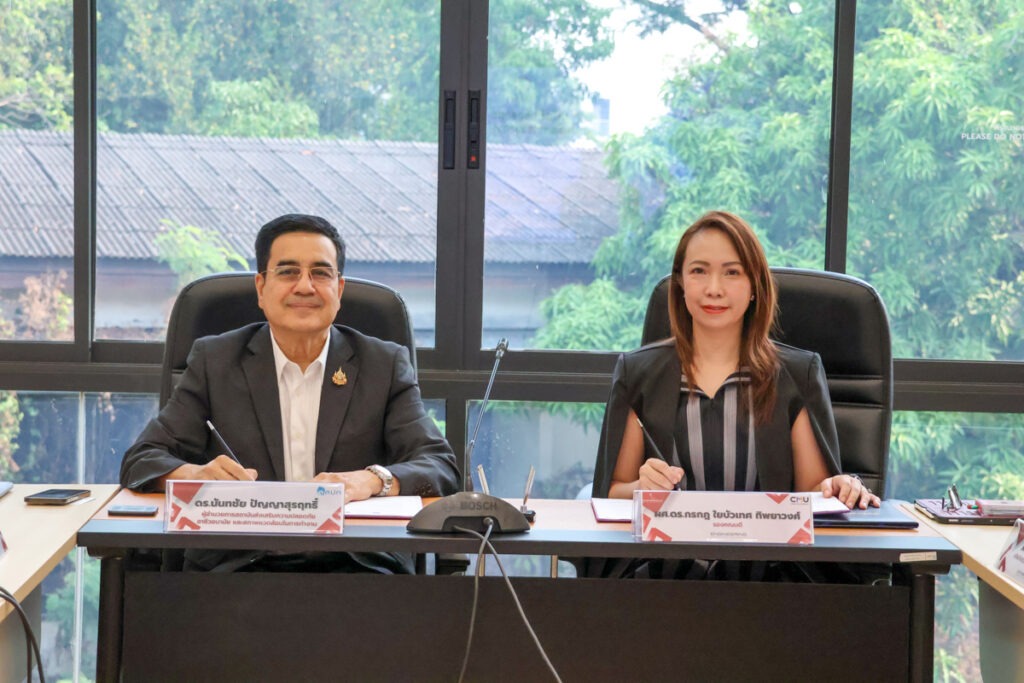
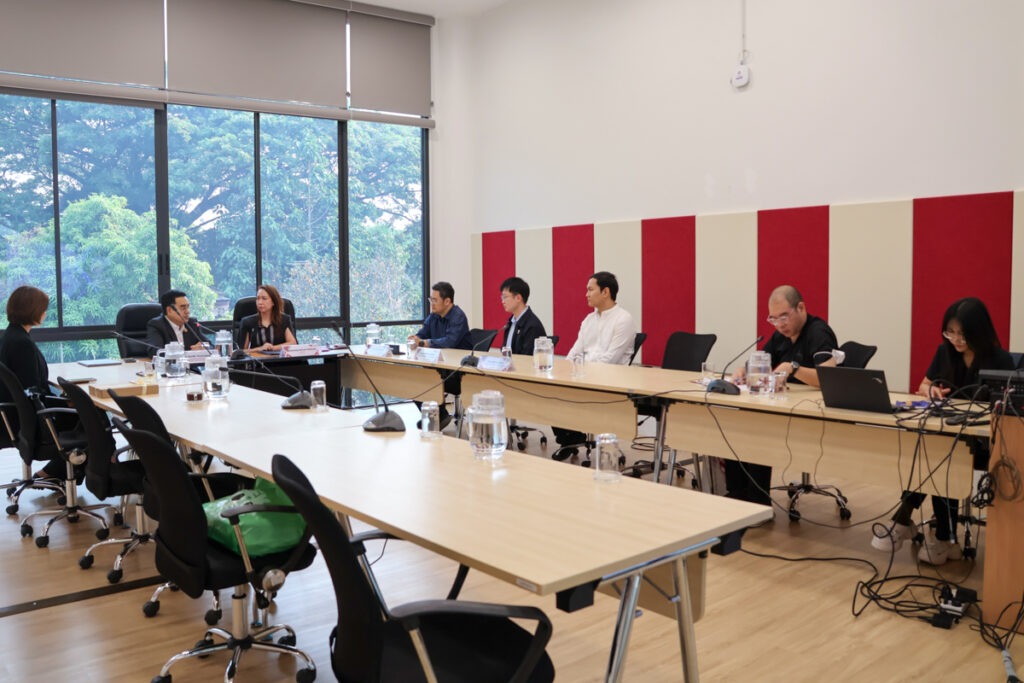
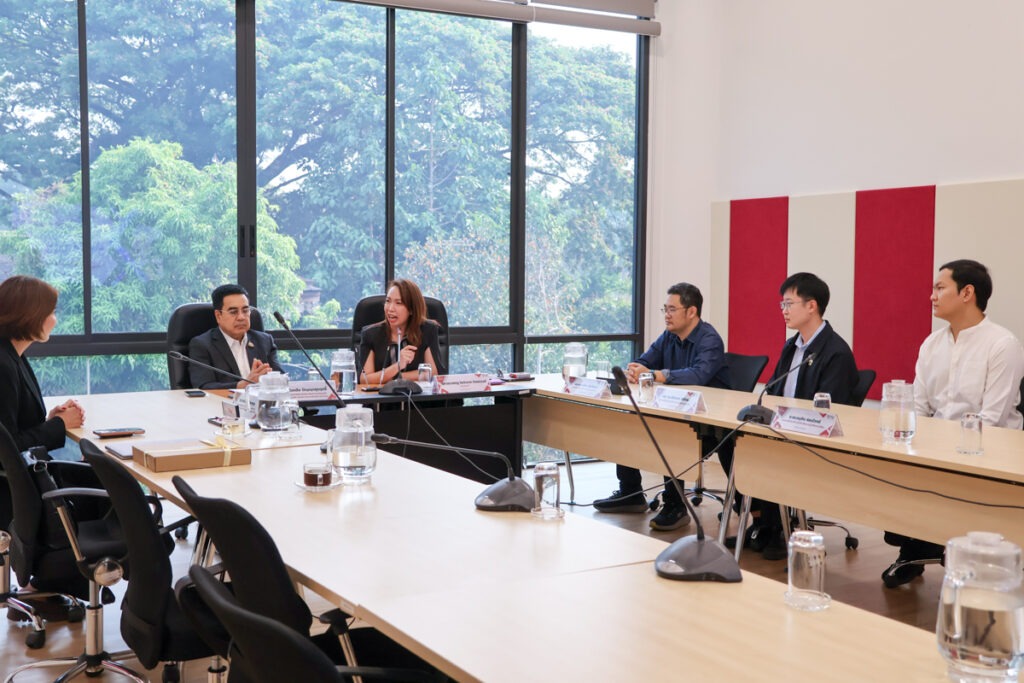
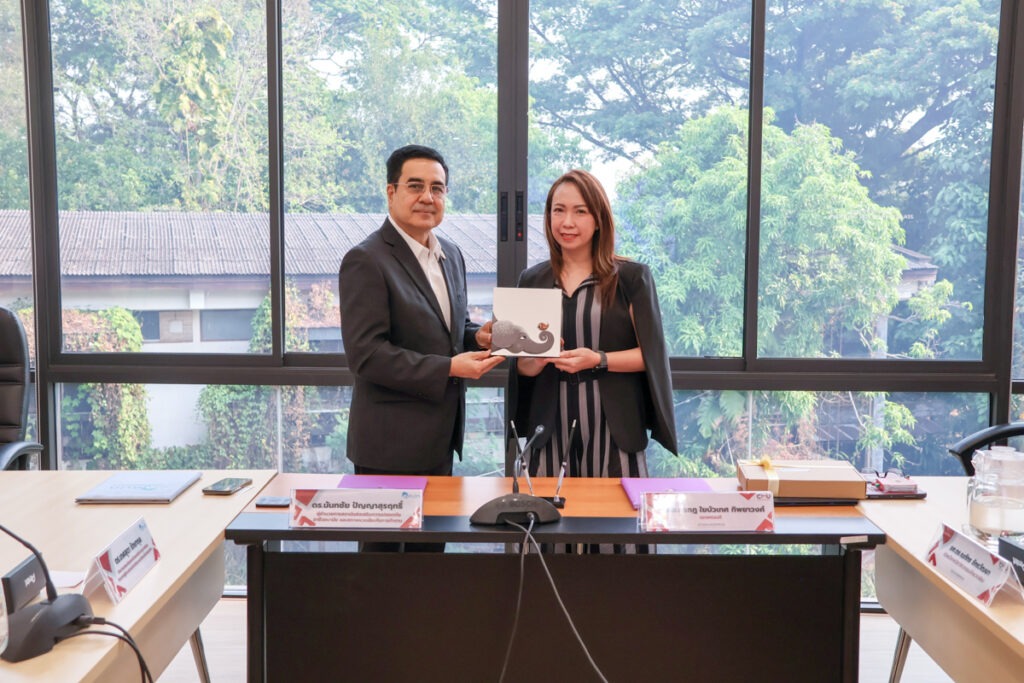
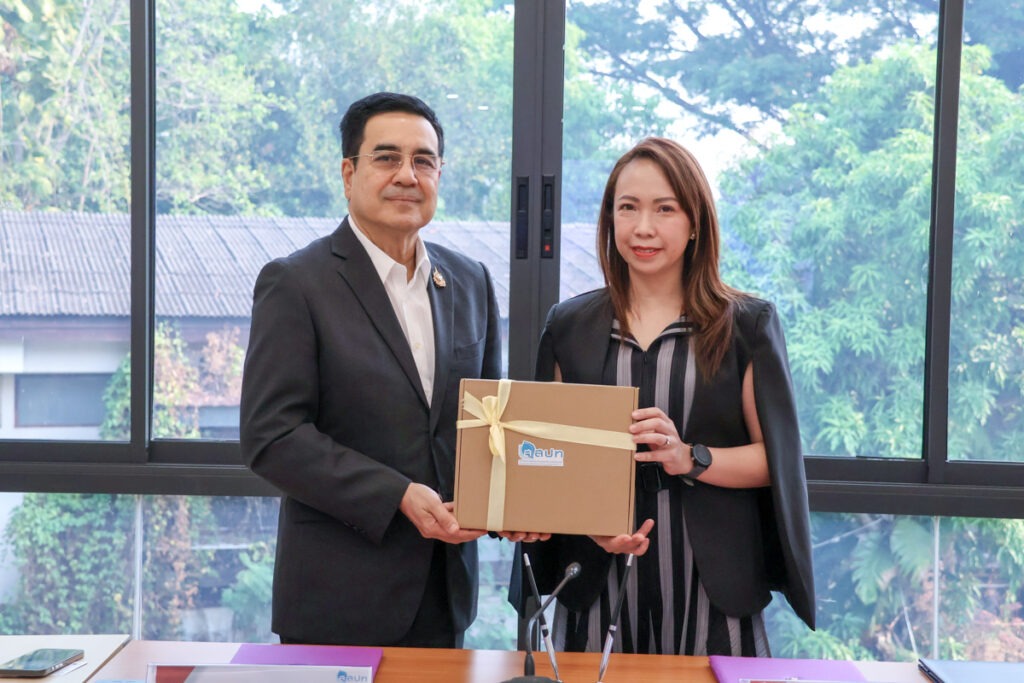
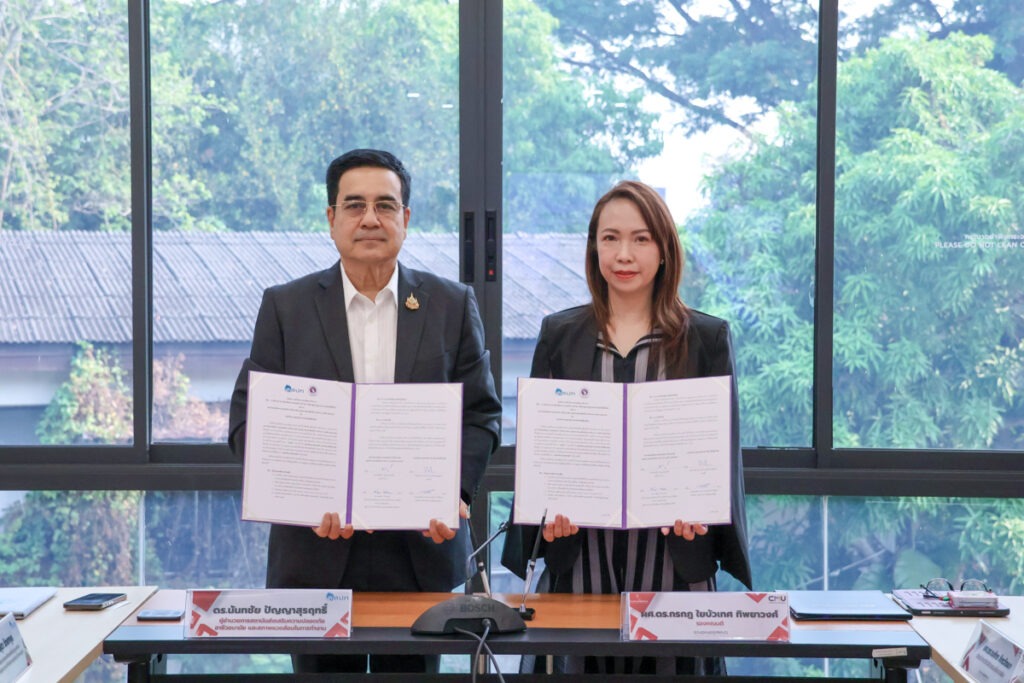
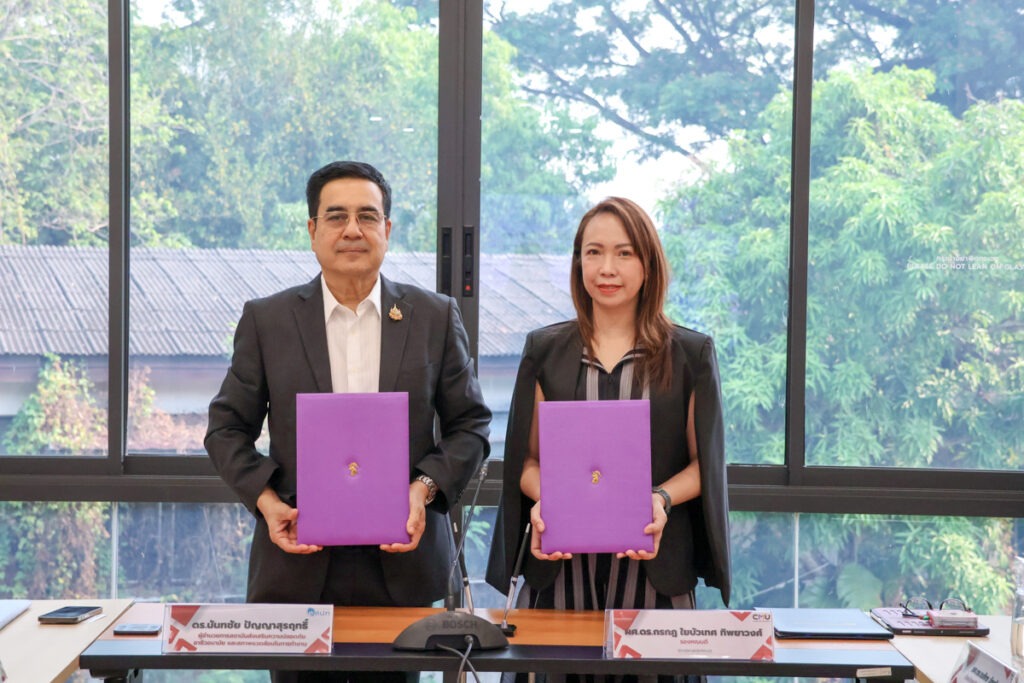
On 30 March 2026, Asst. Prof. Korrakot Yaibuathet Tippayawong, D.Eng., Vice Dean of the Faculty of Engineering, Chiang Mai University, presided over the signing ceremony of a Memorandum of Understanding (MOU) with the Thailand Institute of Occupational Safety and Health (Public Organization). The collaboration is conducted under the theme “Building Partnerships for Safety: Educational Institutions Towards Sustainable Safety Standards” and was held at Gear Room 202, Faculty of Engineering Office Building, Chiang Mai University.
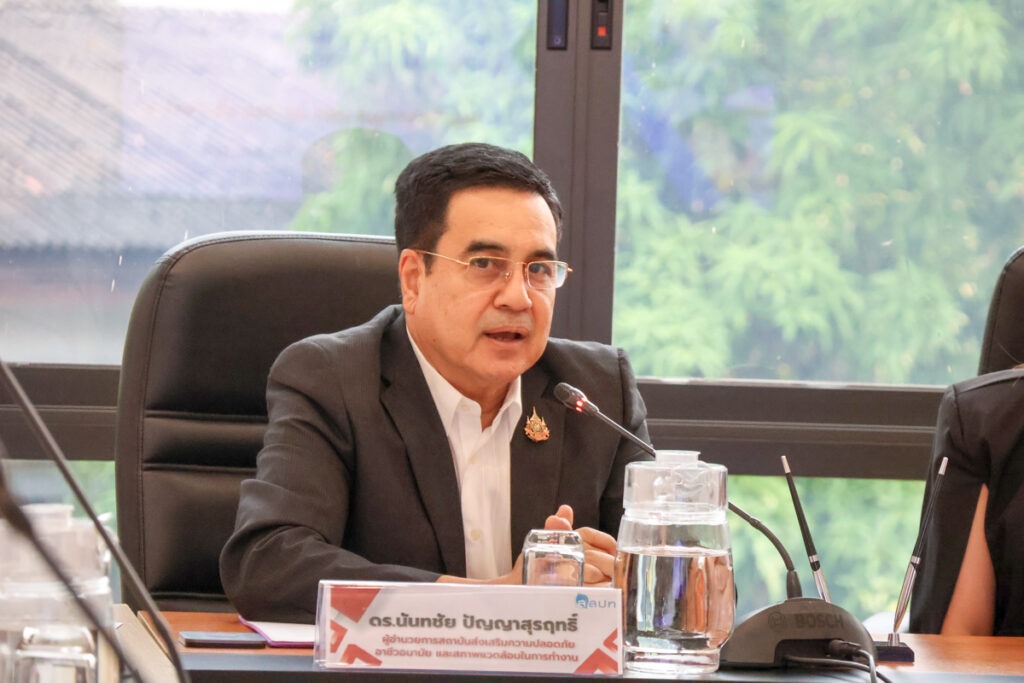
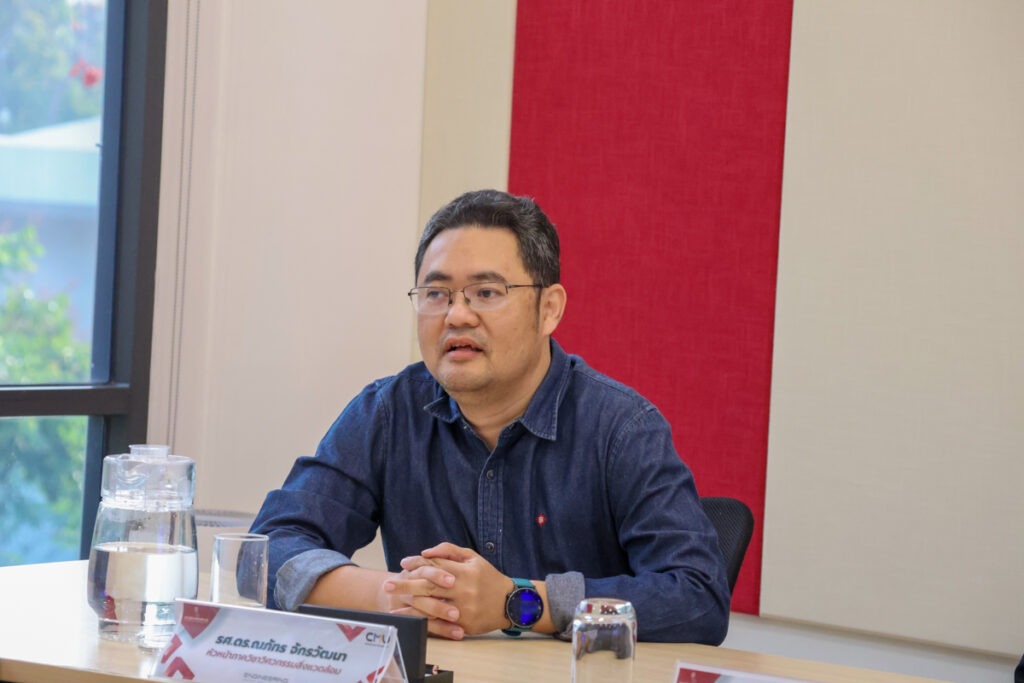
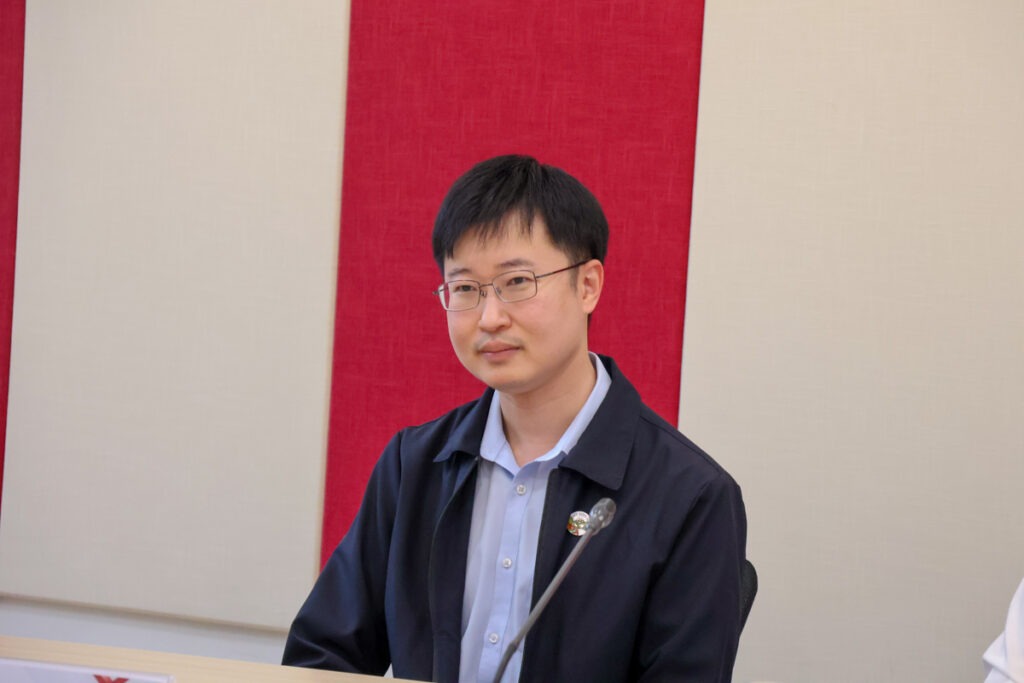
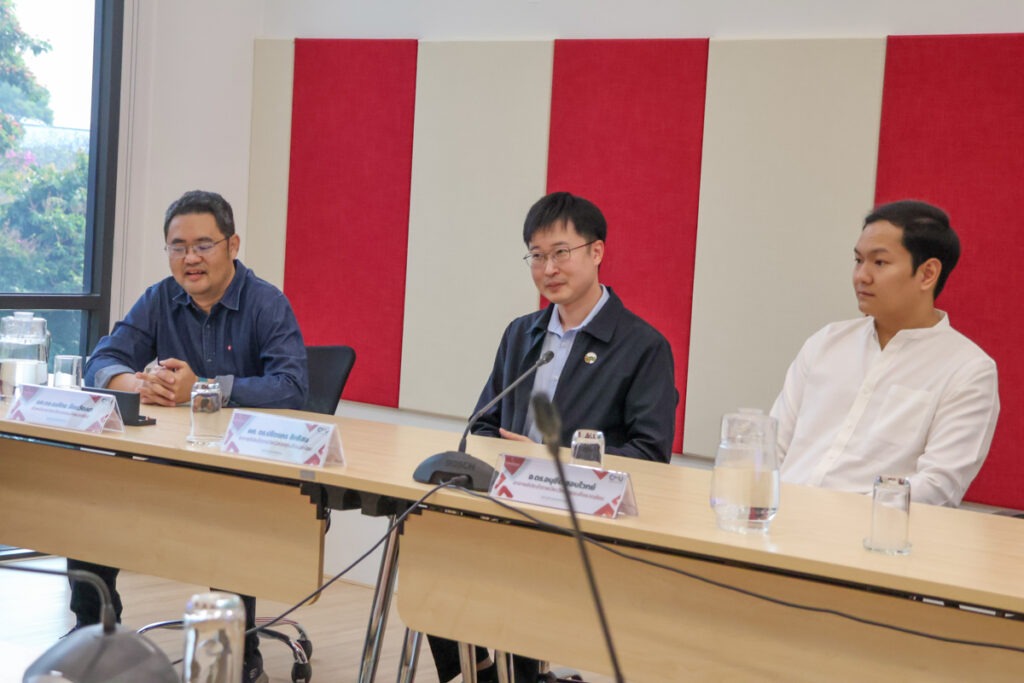
The agreement was signed by Dr. Nanchai Panyasurarit, Director of the Institute, while Dr. Katesuda Raksakul, Senior Professional Level Occupational Safety Officer and Acting Director of the Business Development and Corporate Communications Bureau, signed as a witness. On behalf of the Faculty of Engineering, Assoc. Prof. Dr. Naphat Jakrawattana, Head of the Department of Environmental Engineering, also signed as a witness. In addition, Asst. Prof. Dr. Prattakorn Sittisom and Dr.Anuchit Sonwai, faculty members from the Department of Environmental Engineering, attended the ceremony as witnesses.
This collaboration aims to promote a strong and sustainable safety culture across all sectors, while enhancing and advancing standards in safety, occupational health, and working environment in alignment with national contexts and global trends. It also supports the development of personnel in the field of Safety, Health and Environment (SHE), as well as the establishment of a network of “Educational Institutions for Safety” at both regional and national levels.
Under this partnership, both parties will jointly develop and disseminate knowledge, organize training programs, seminars, and research activities, and exchange personnel, experts, and academic information. This collaboration is expected to strengthen organizational capacity and serve as a key mechanism in advancing national safety standards toward long-term sustainability.