
CMU Engineering and Tsinghua University Join Forces to Drive Future Energy Innovation onto the Global Stage
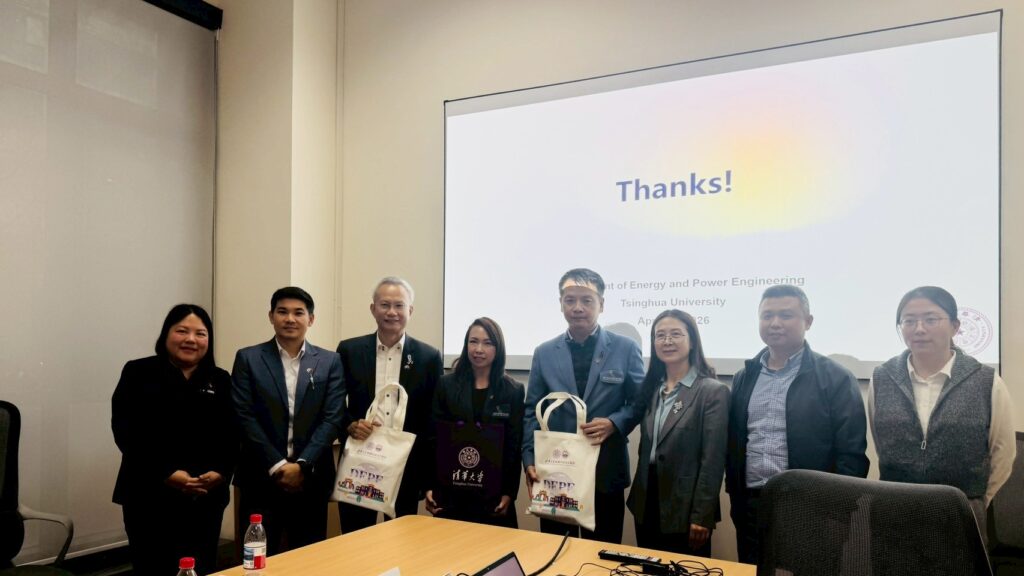
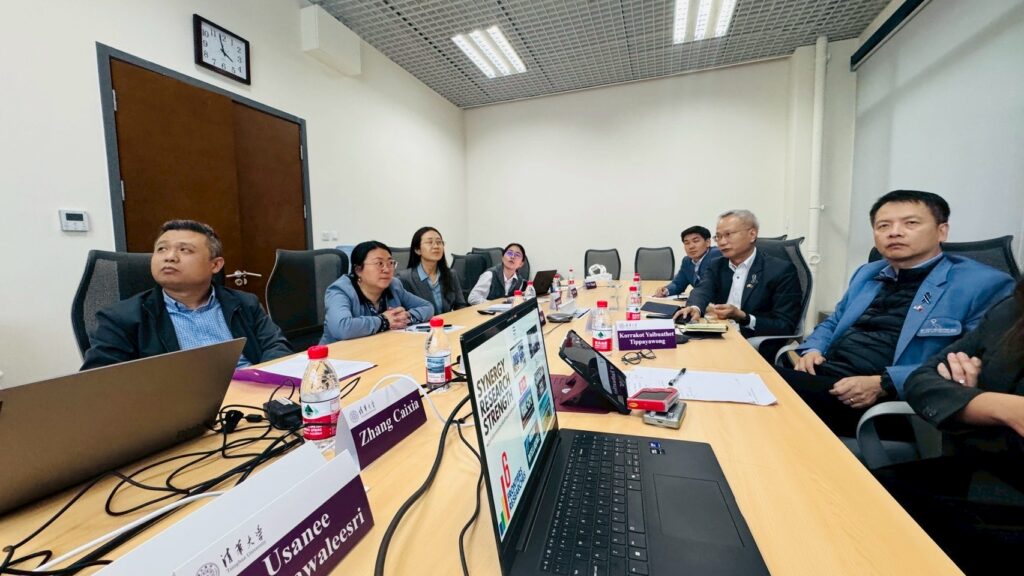
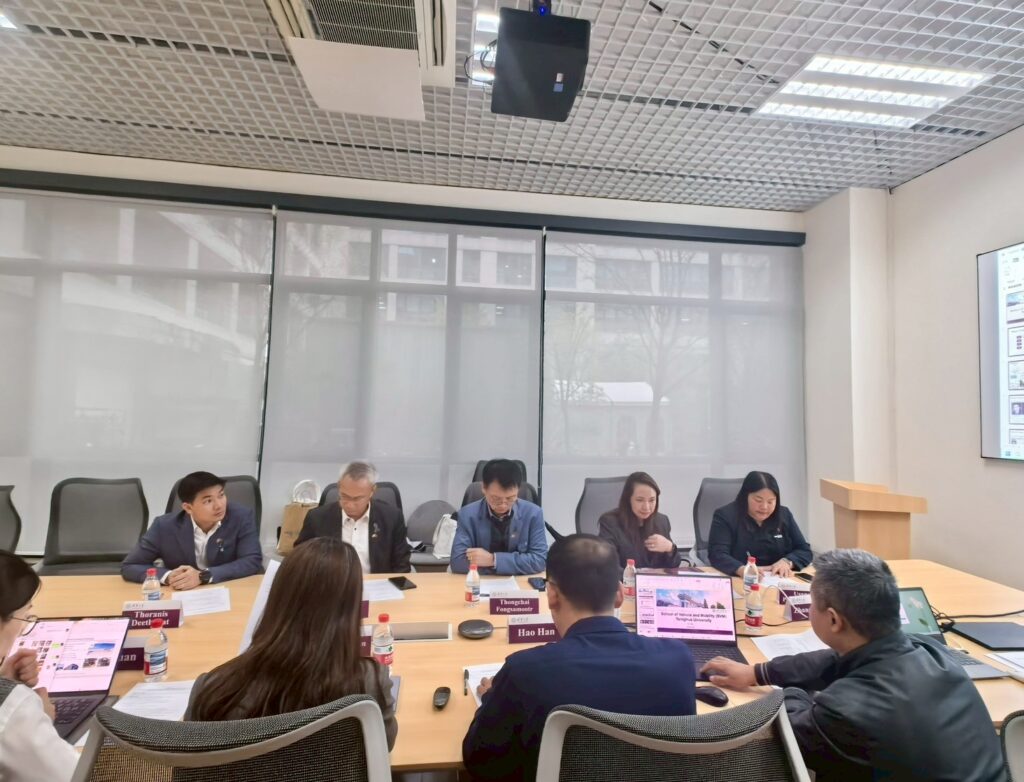
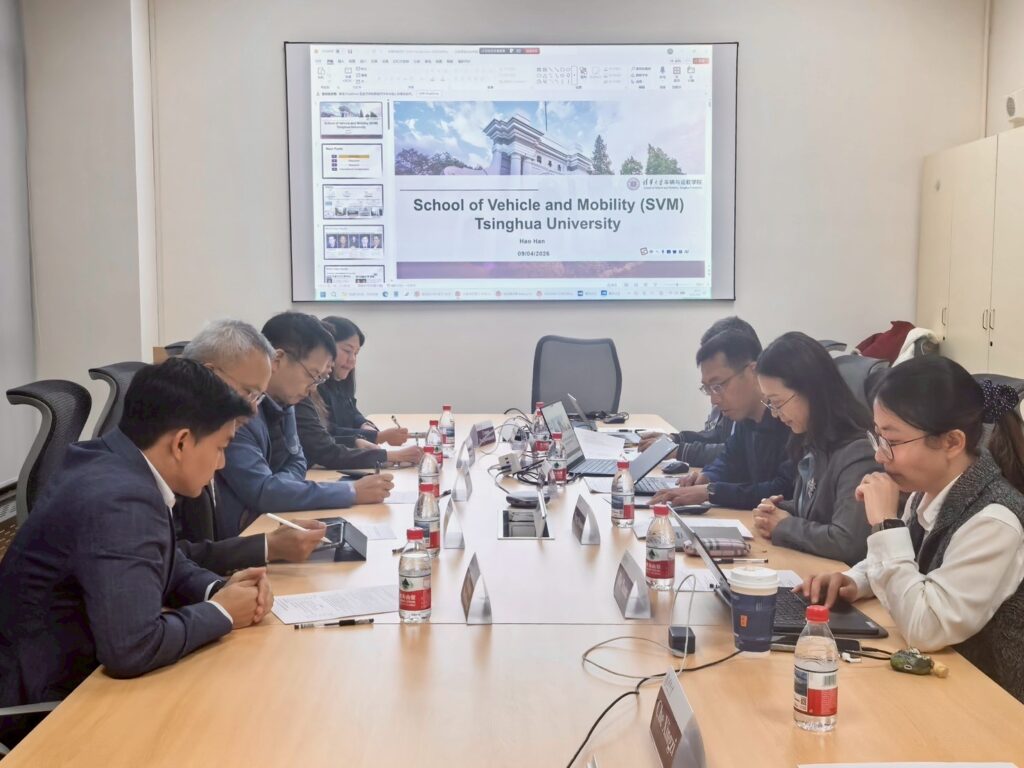
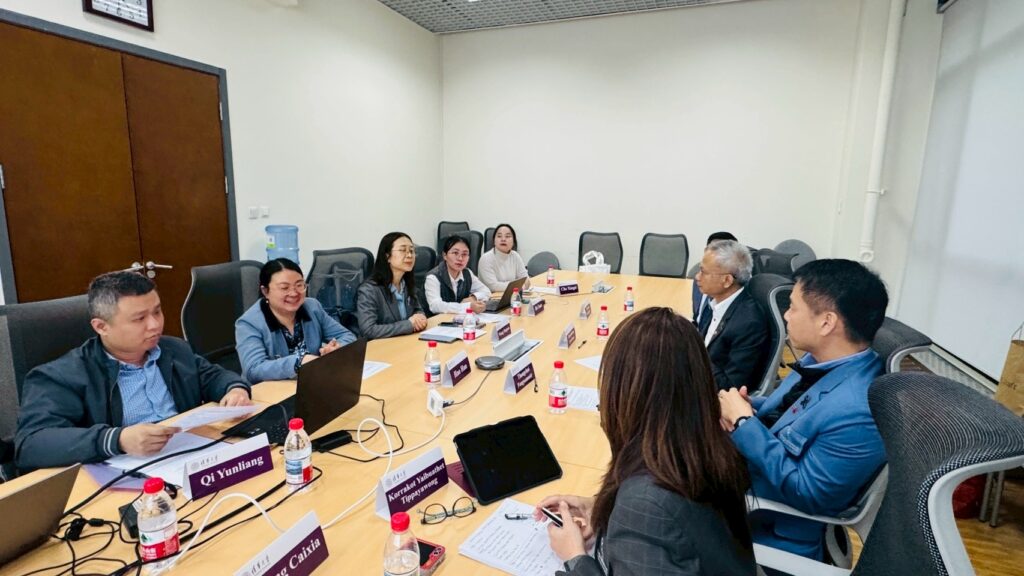
On April 9, 2026, the Faculty of Engineering, Chiang Mai University, led by Associate Professor Dr. Thongchai Fongsamootr, Dean of the Faculty of Engineering, accompanied by members of the executive team and staff, conducted an official visit to Department of Energy and Power Engineering, Tsinghua University, People’s Republic of China, to expand academic collaboration and advance joint research in advanced energy fields.
Participants from Department of Energy and Power Engineering, Tsinghua University
- Prof. Wang Shujuan, Vice Dean
- Prof. Li Shuang
- Dr. Bie Xuan, Waste to Energy
- Ms. Che Xingzi, International Affairs Collaboration
Participants from the Faculty of Engineering, Chiang Mai University
- Associate Professor Dr. Thongchai Fongsamootr, Dean of the Faculty of Engineering
- Assistant Professor Dr. Chatchawan Chaichana, Vice Dean
- Assistant Professor Dr. Korrakot Yaibuathet Tippayawong, Vice Dean and Director of Chiang Mai International Engineering School (CM-IES)
- Associate Professor Dr. Thoranis Deethayat, Assistant Head of the Department of Mechanical Engineering (Academic Affairs)
- Miss Usanee Pongsawaleesri, Head of Office, Chiang Mai International Engineering School (CM-IES)
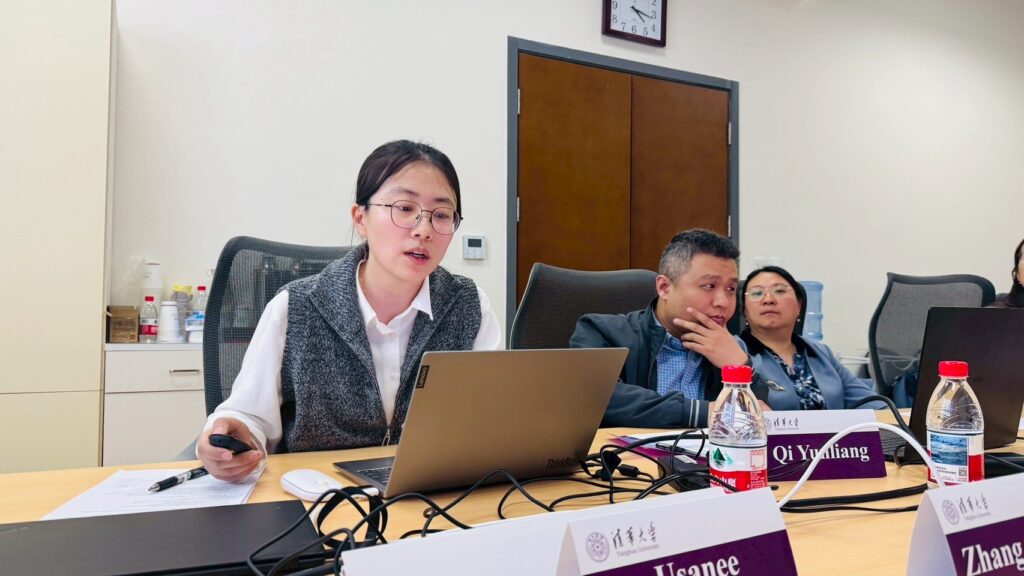
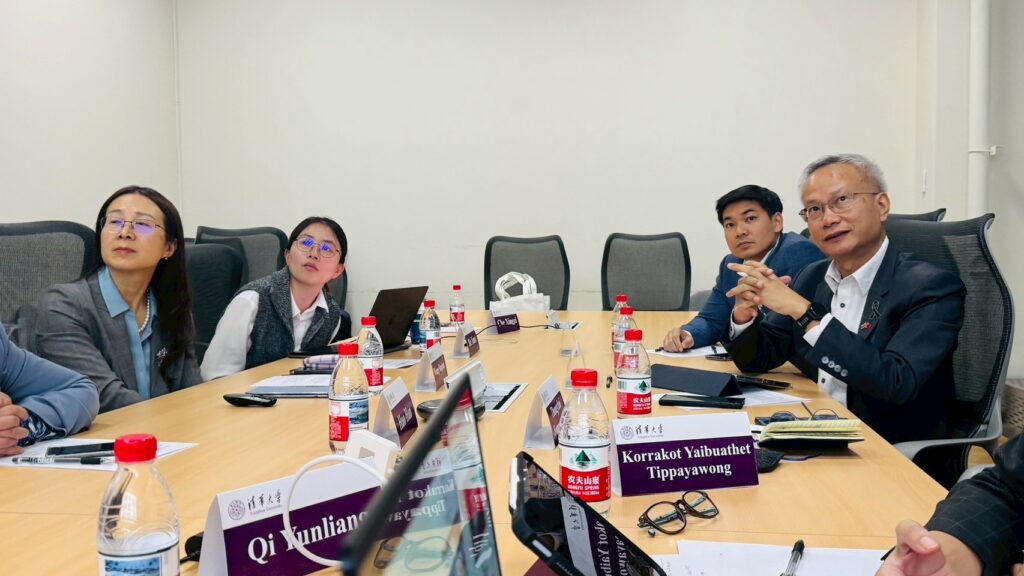
The discussions focused on enhancing capabilities in next-generation energy systems. Both institutions presented their research directions and core strengths, while jointly identifying strategic pathways for deeper collaboration in energy engineering and advanced technologies.
Key areas of focus included joint research in mechanical engineering, cooling systems for Small Modular Reactors (SMRs), and waste-to-energy technologies. In particular, co-pyrolysis processes—capable of converting waste oil and plastics into diesel-like fuel—were highlighted as an innovative approach to resource optimization and environmental sustainability.
Both parties also exchanged perspectives on integrating knowledge, technologies, and research infrastructure to generate tangible outcomes and establish a strong foundation for long-term collaboration. This partnership reflects the proactive role of the Faculty of Engineering, Chiang Mai University in connecting with leading global research networks, while advancing innovation in clean energy and advanced engineering technologies to address global challenges sustainably.